31st July 2025
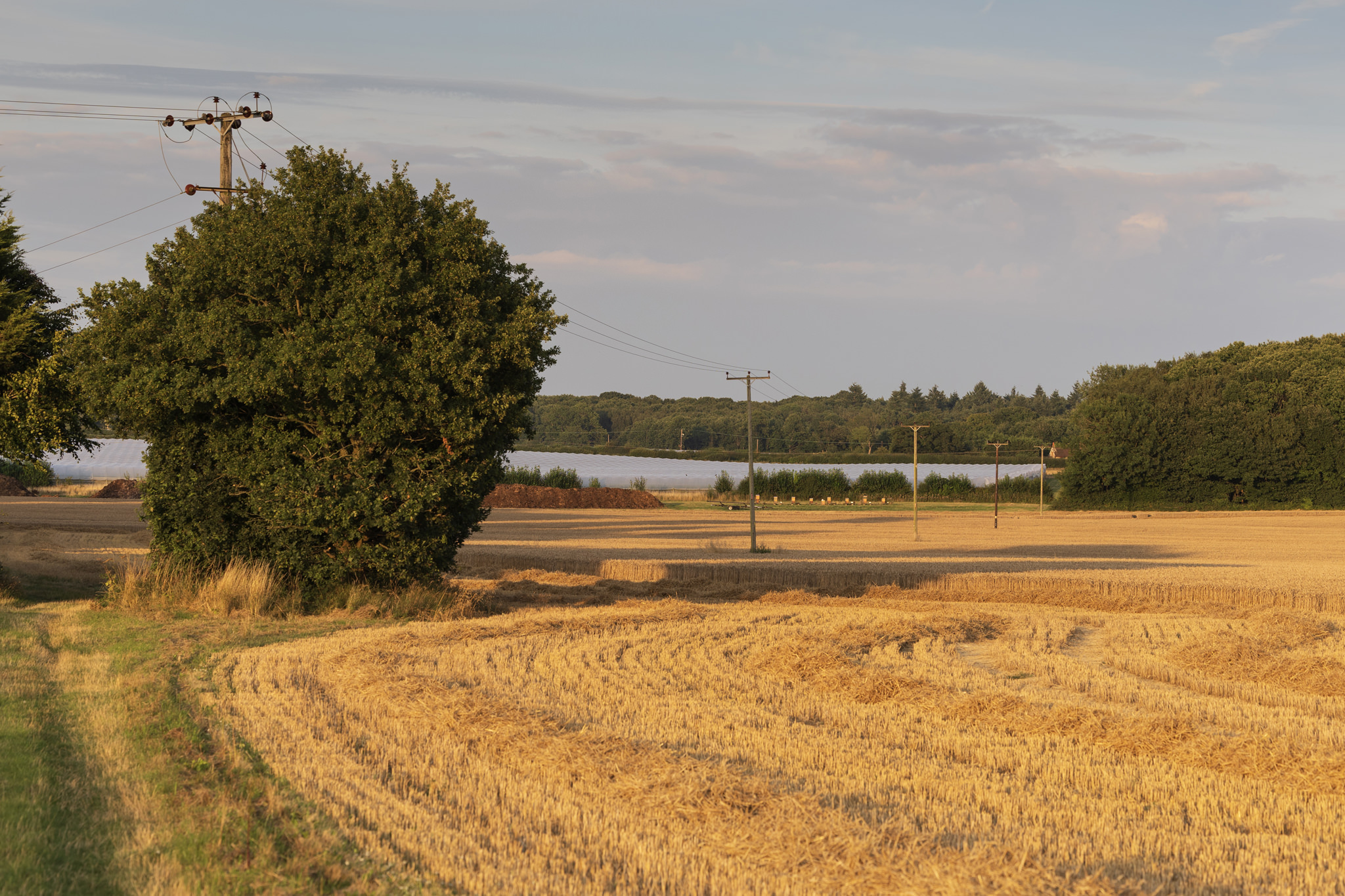
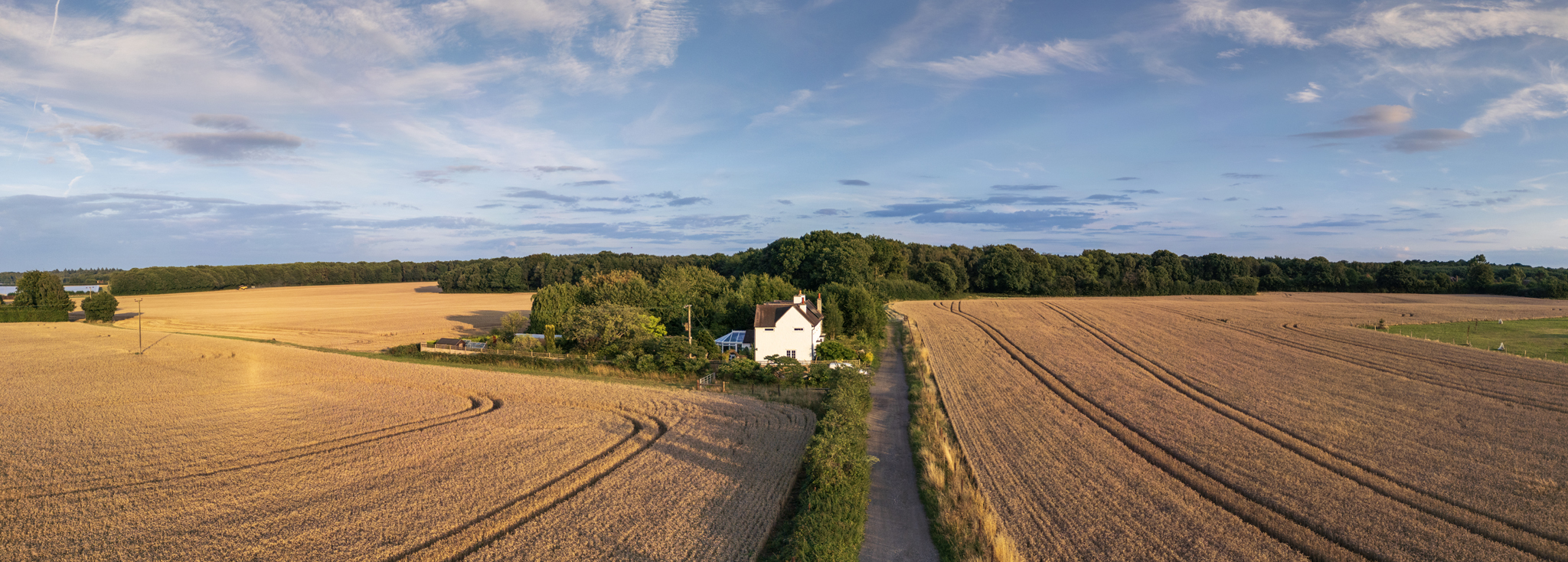
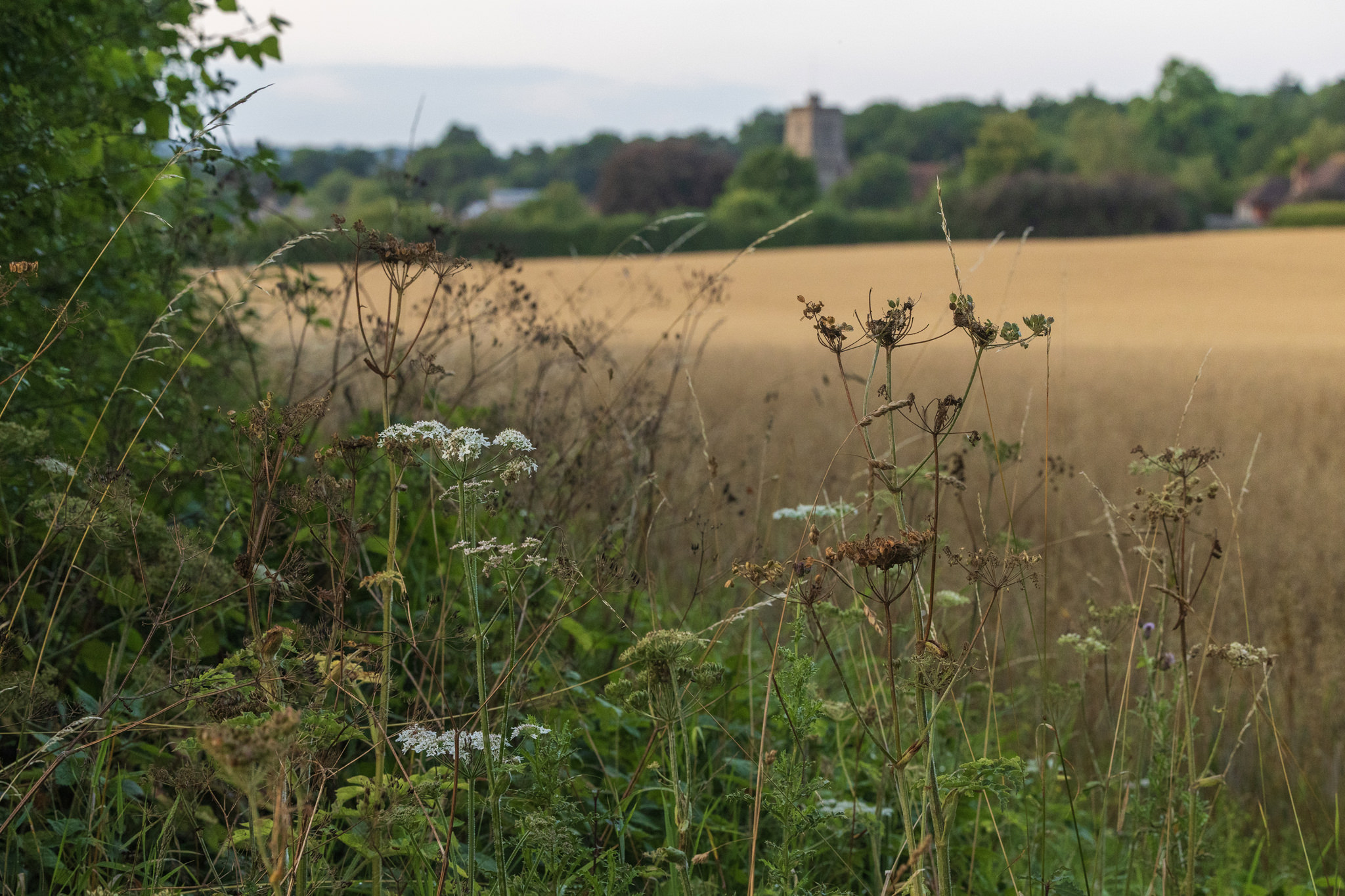
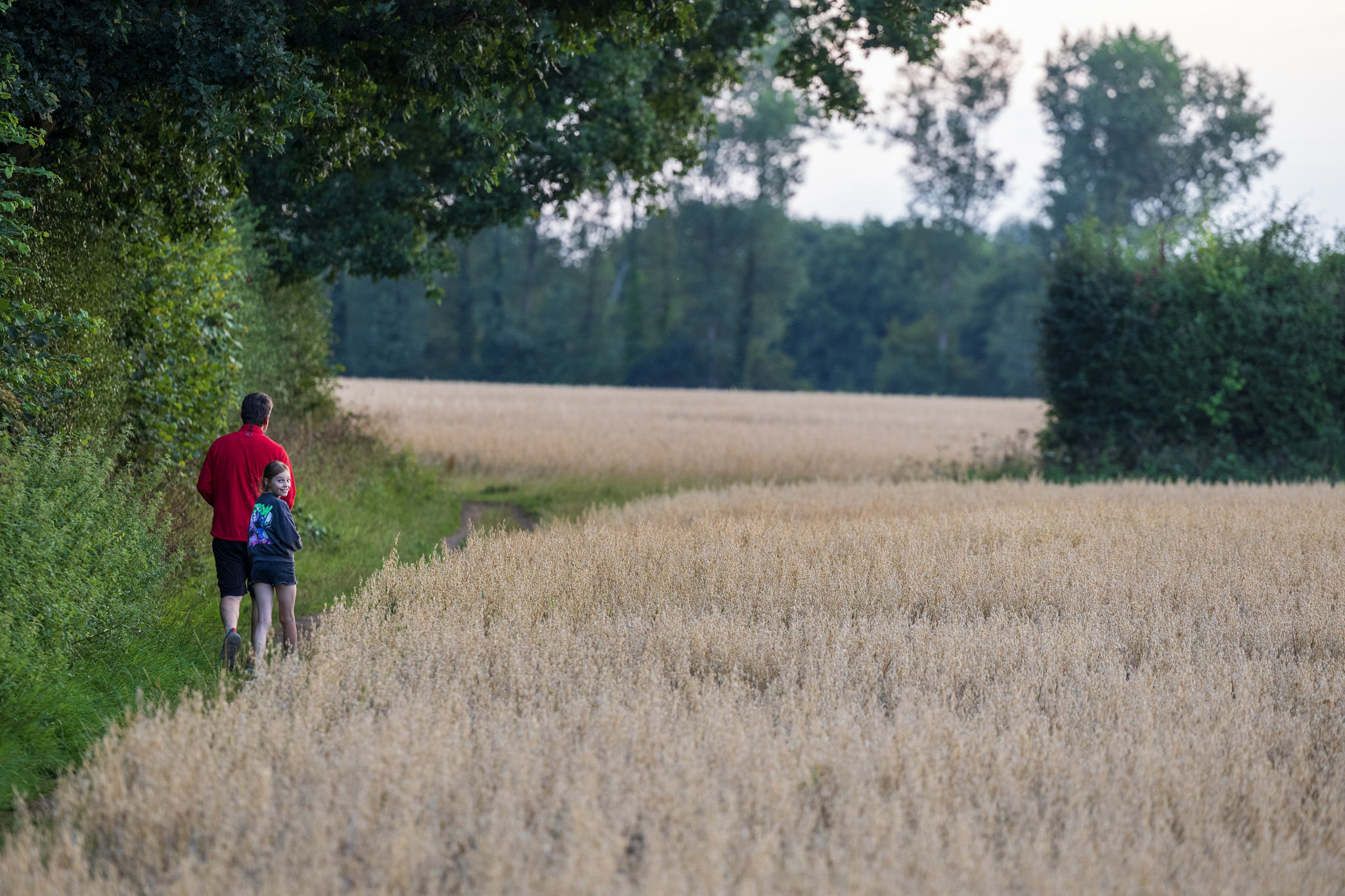
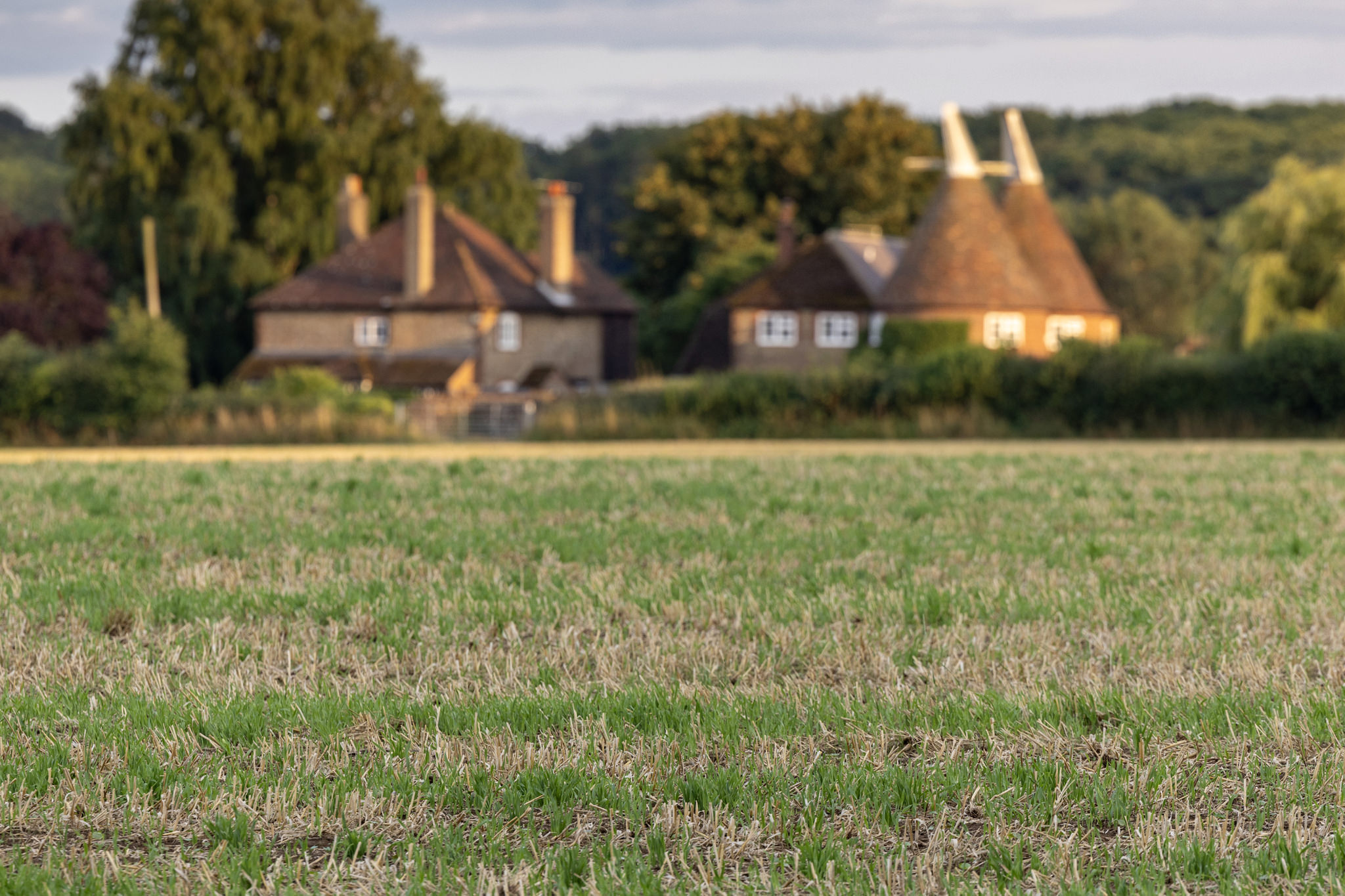
A century ago, and before, a large percentage of those in Platt made their living off the land. Farm workers were close to nature; their lives linked to the cycle of sowing and harvesting, of life and death. During the harvests, Platt children were expected to help out, particularly during the school summer holidays, when they spent the first two weeks fruit-picking and the last two in the hop fields. After the Second World War, combined with the growth of public services and car ownership, the parish gradually transformed from a rural farming community to one in which many locals sourced employment elsewhere, corresponding with the increased mechanisation of farming and a decrease in the number of people who worked the land.
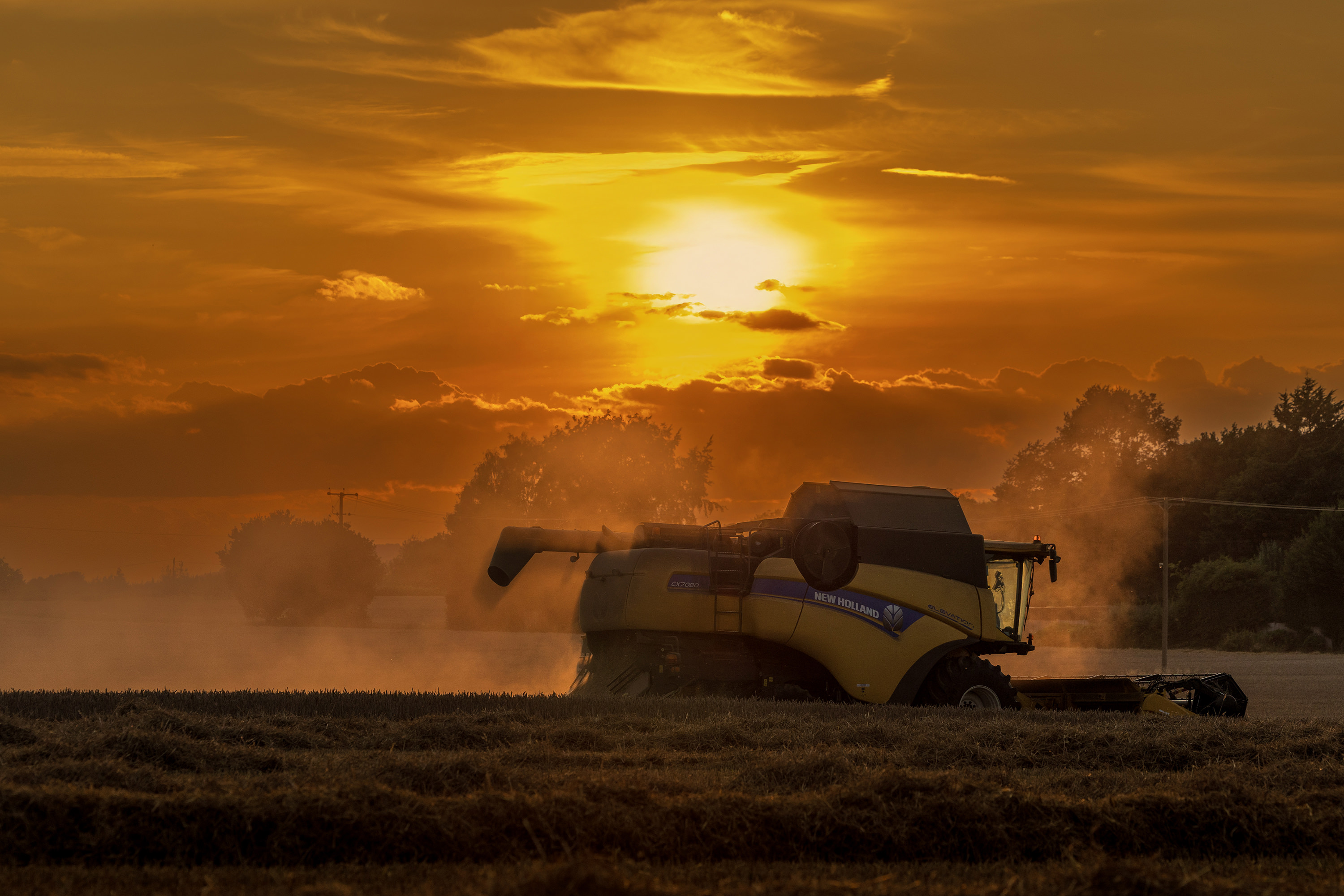
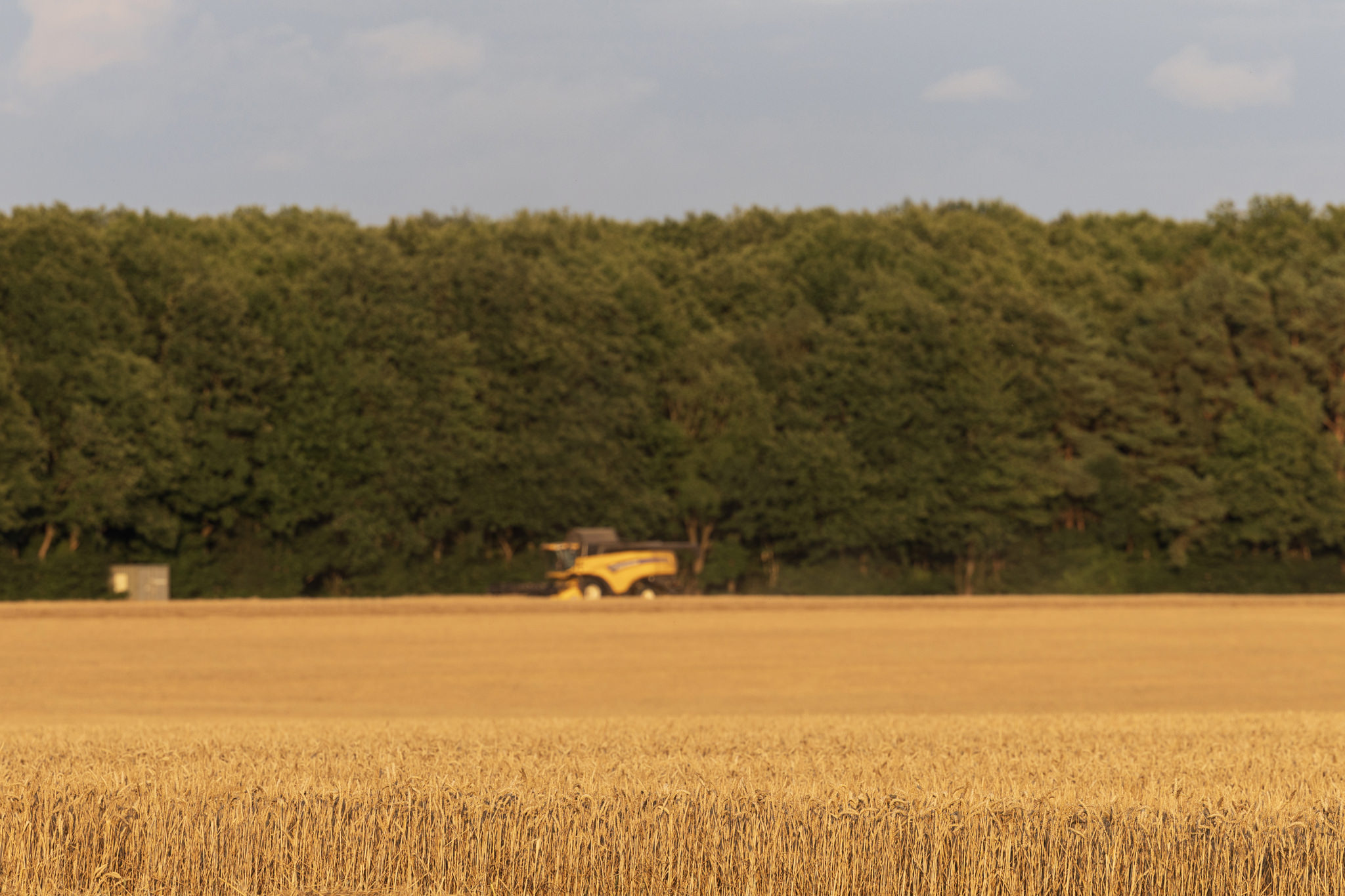
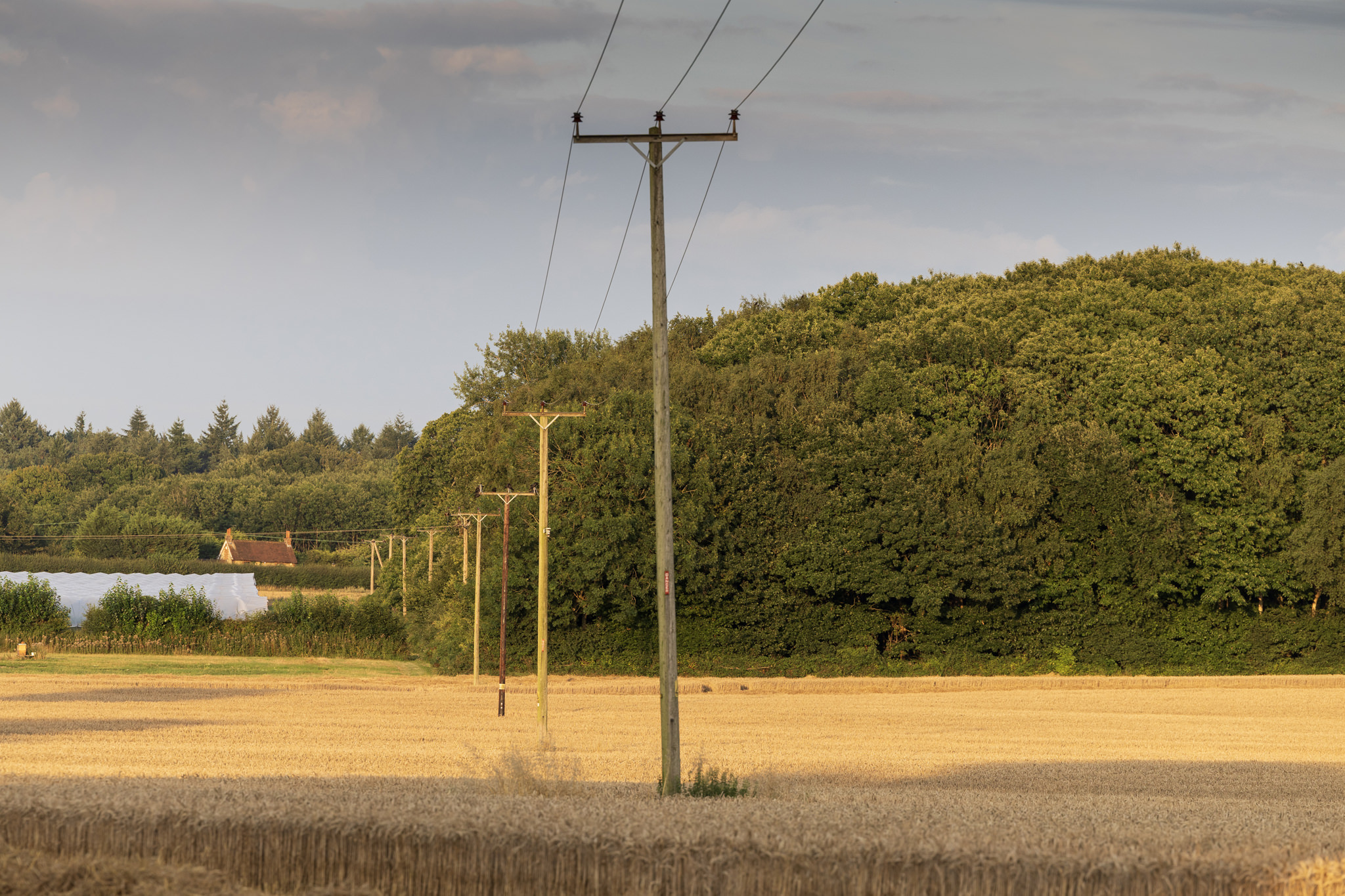
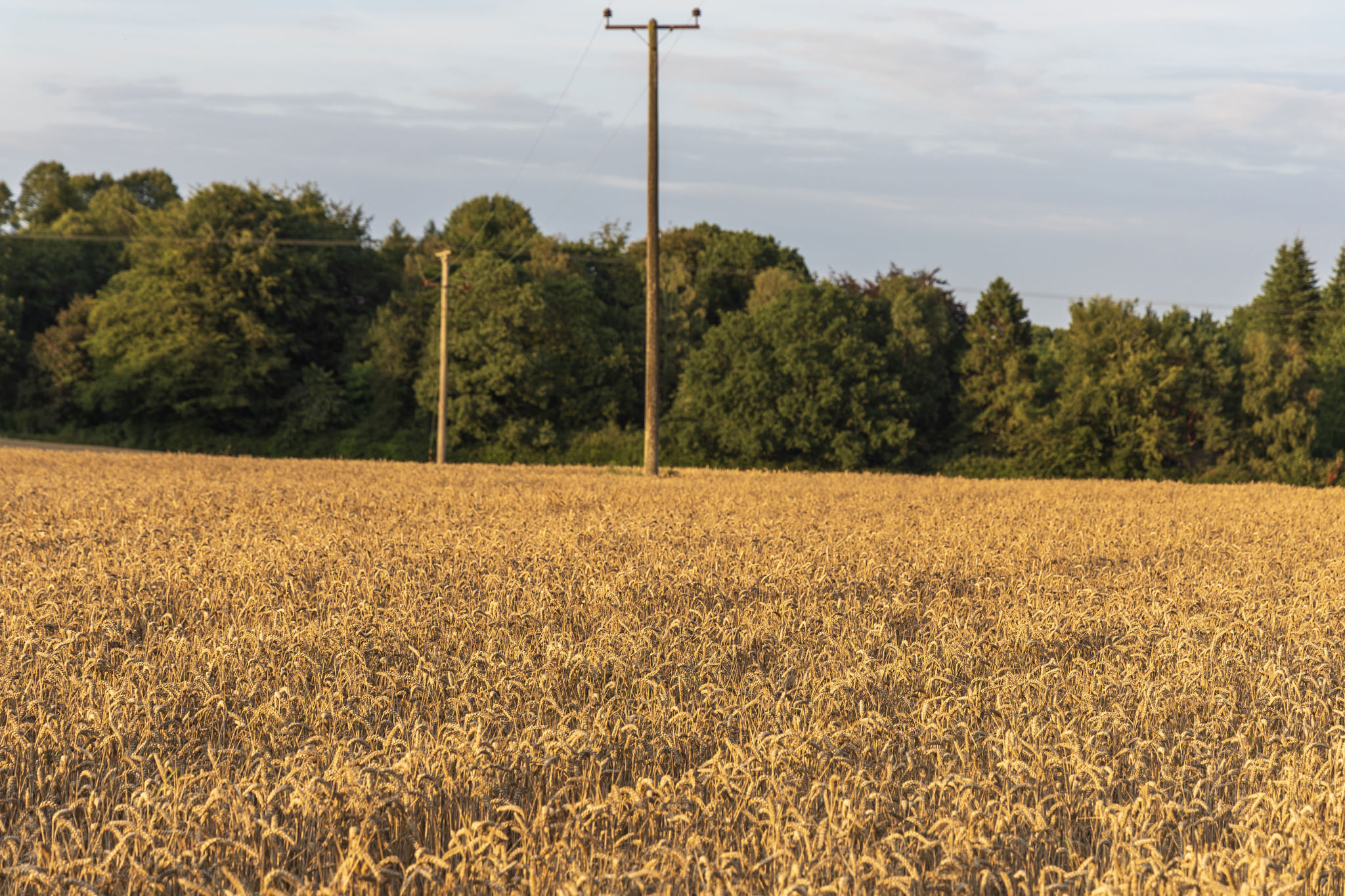
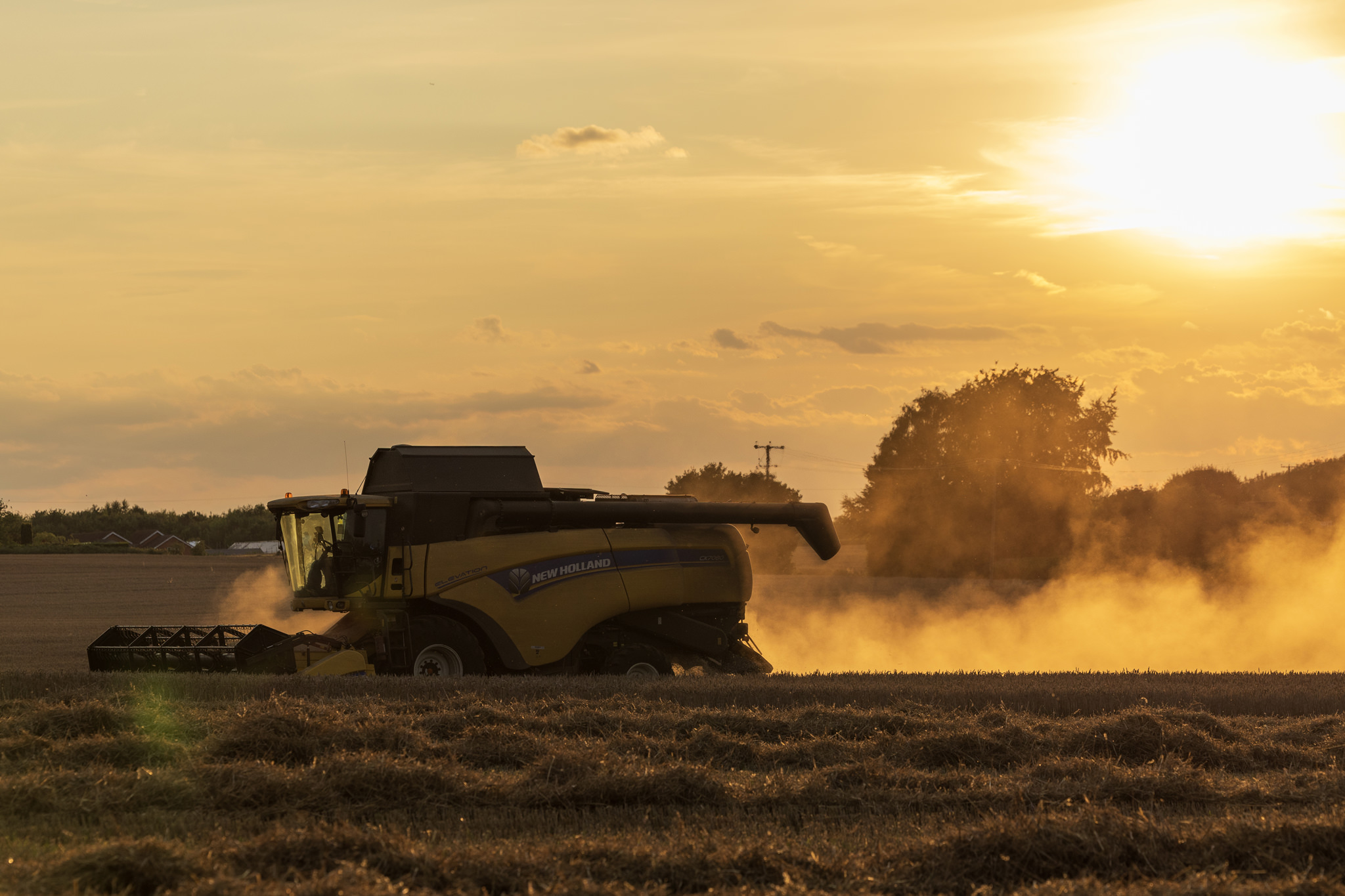
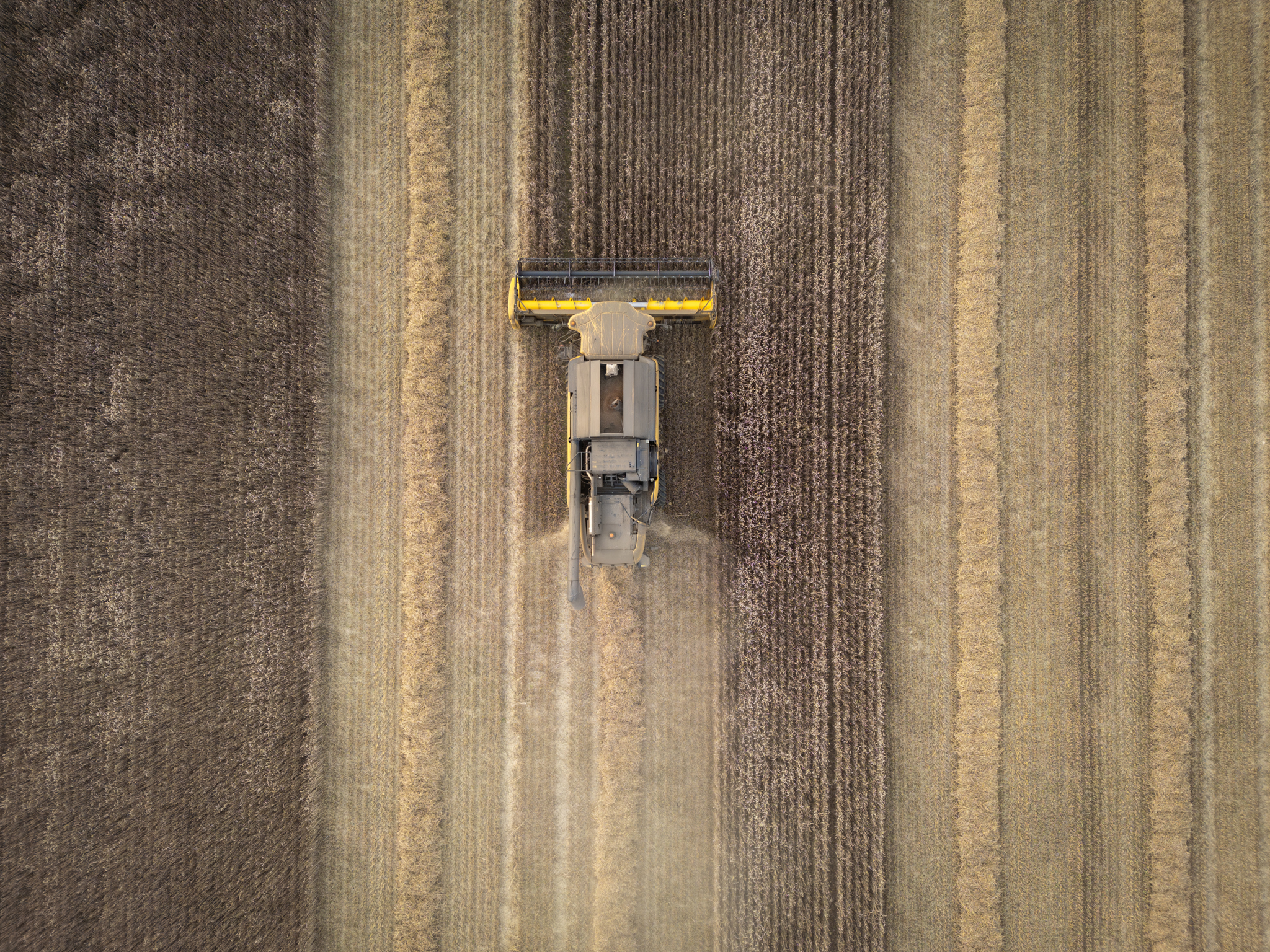
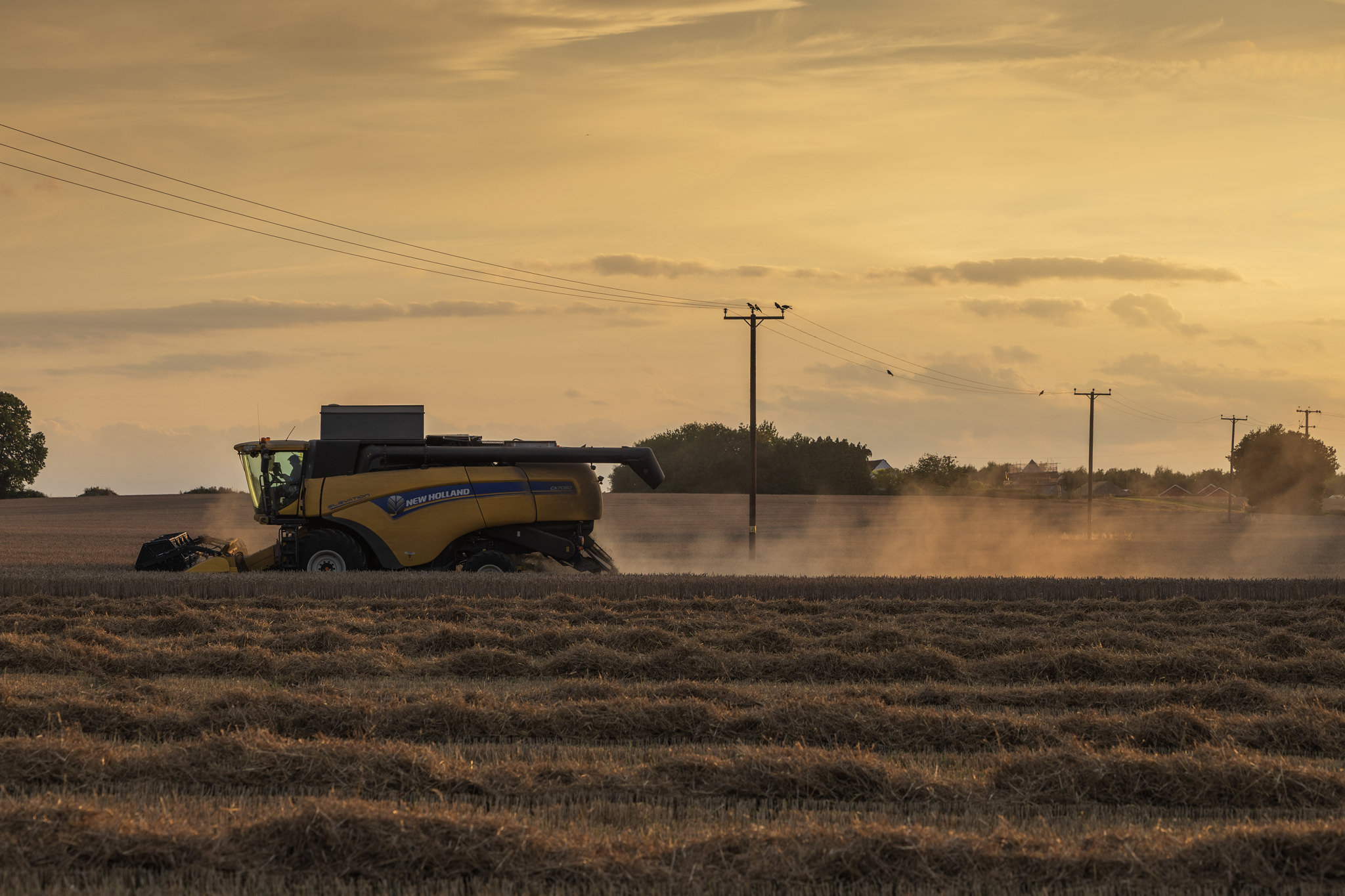
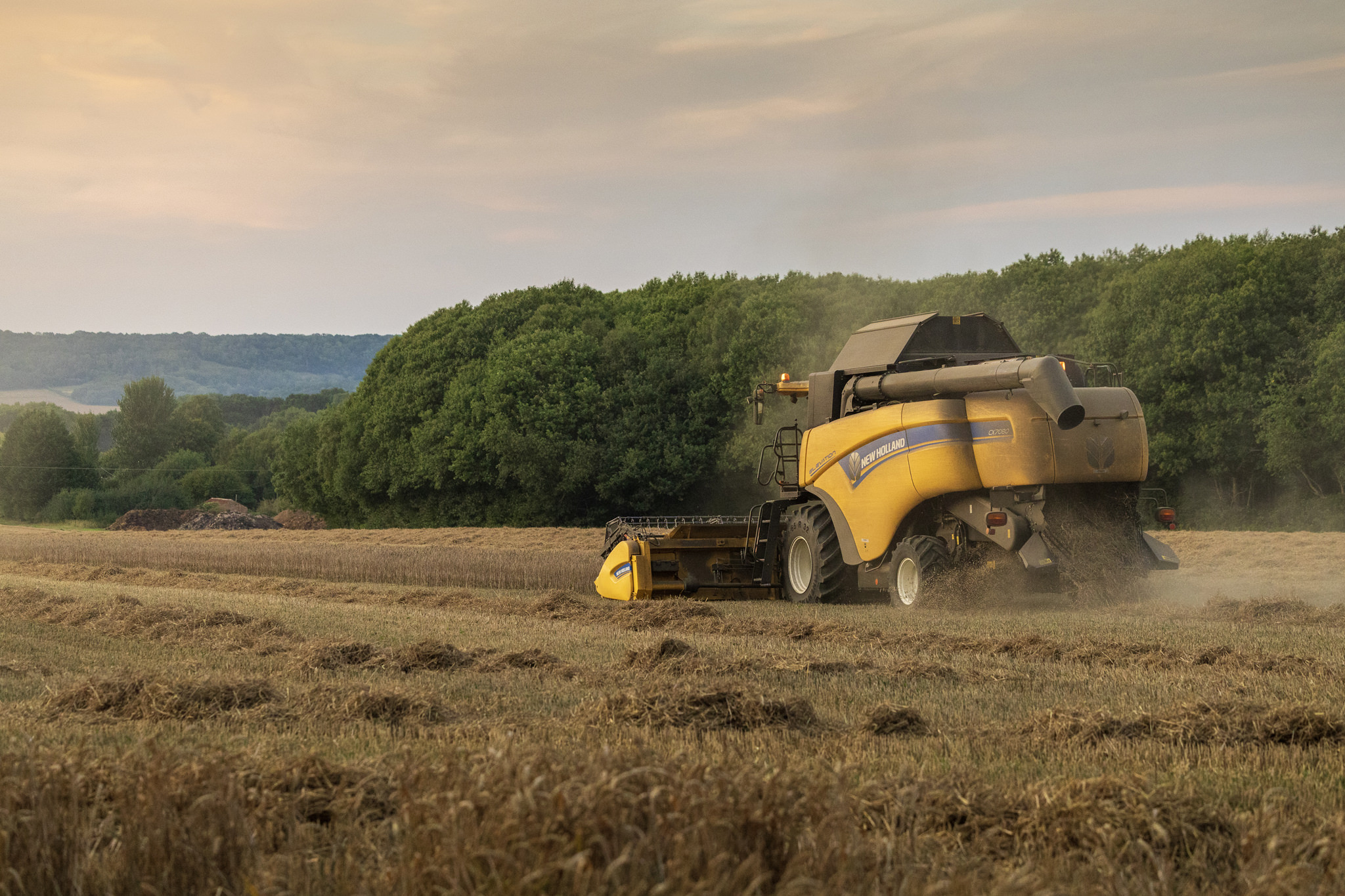
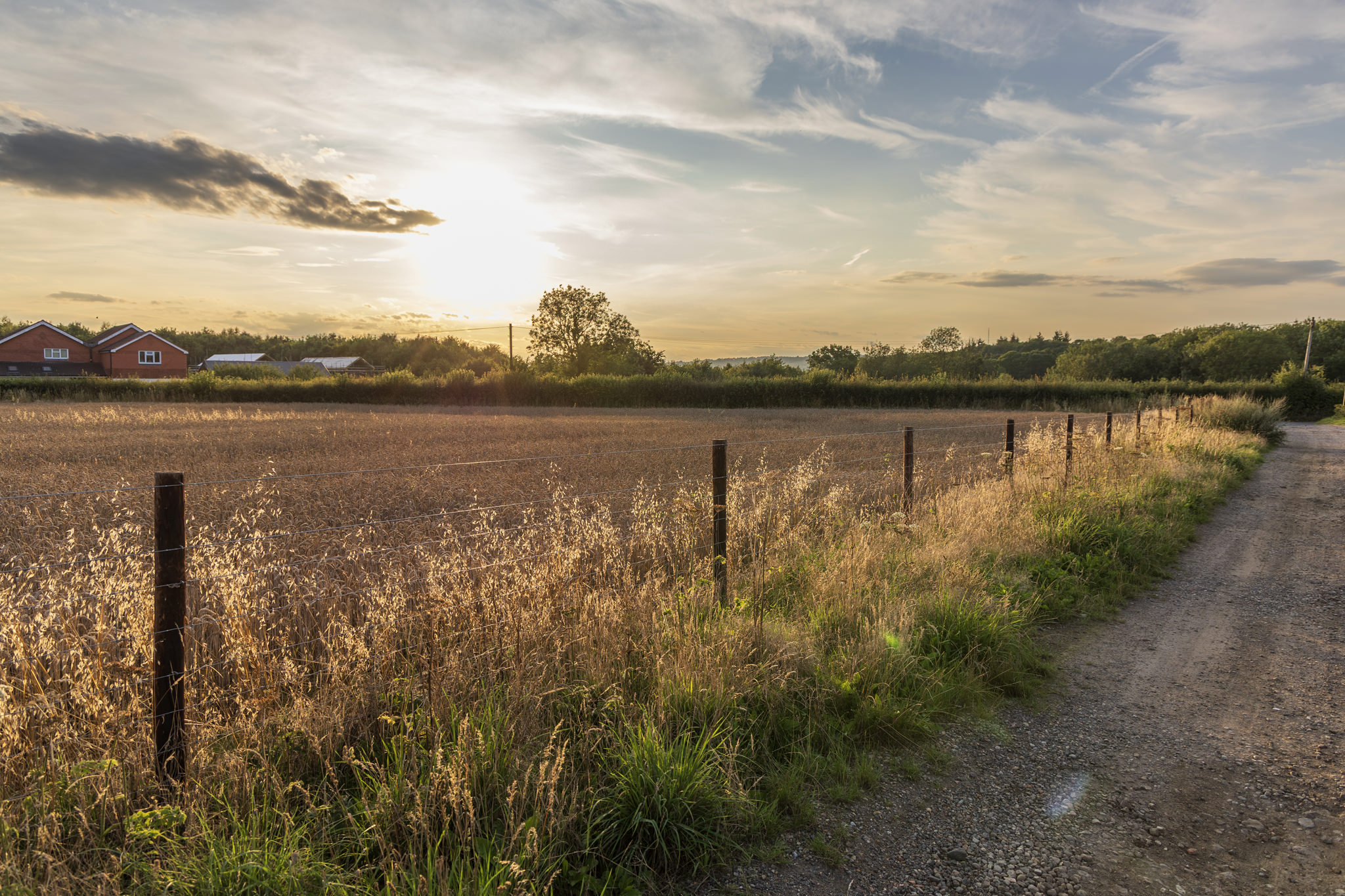
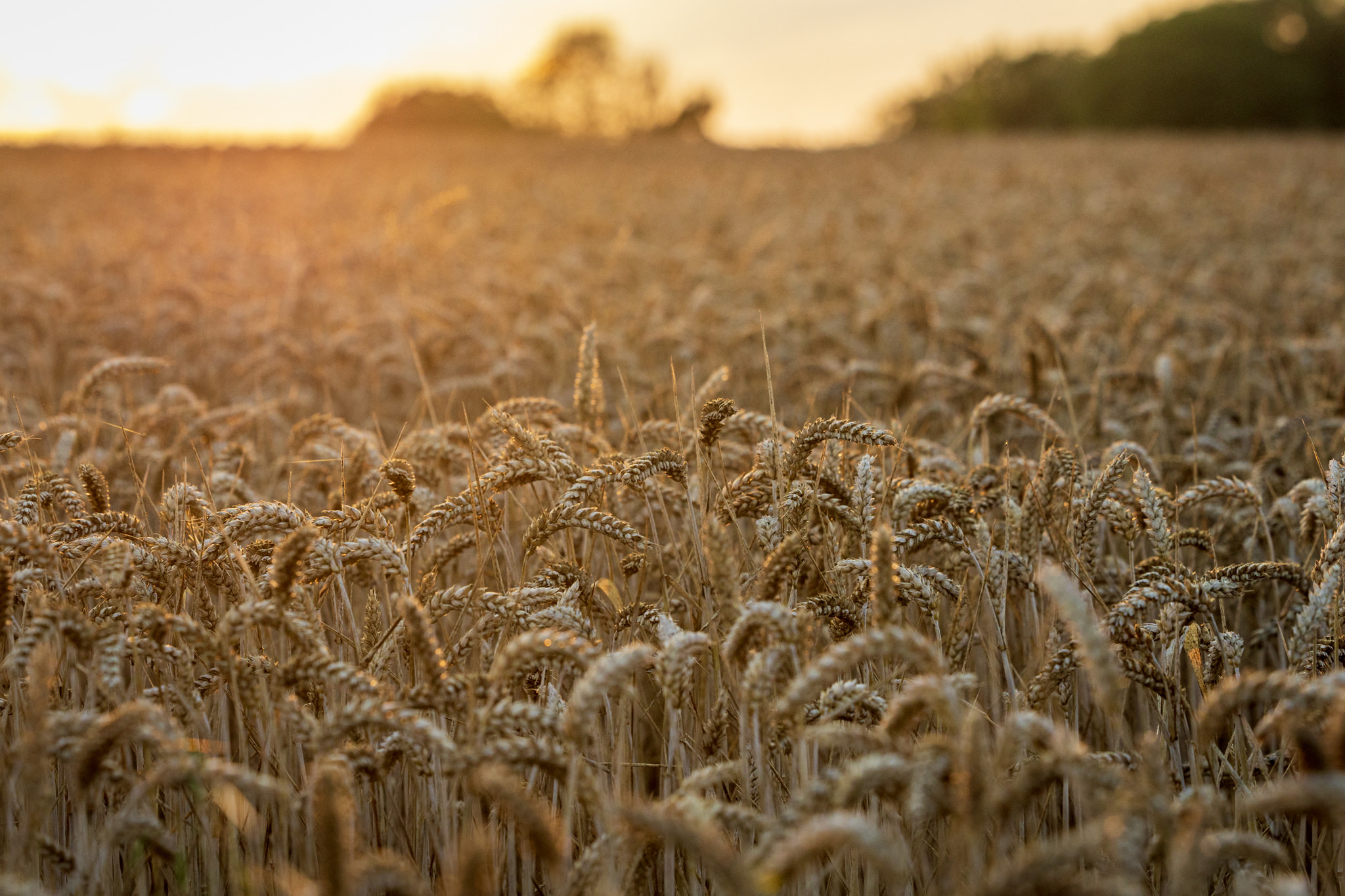
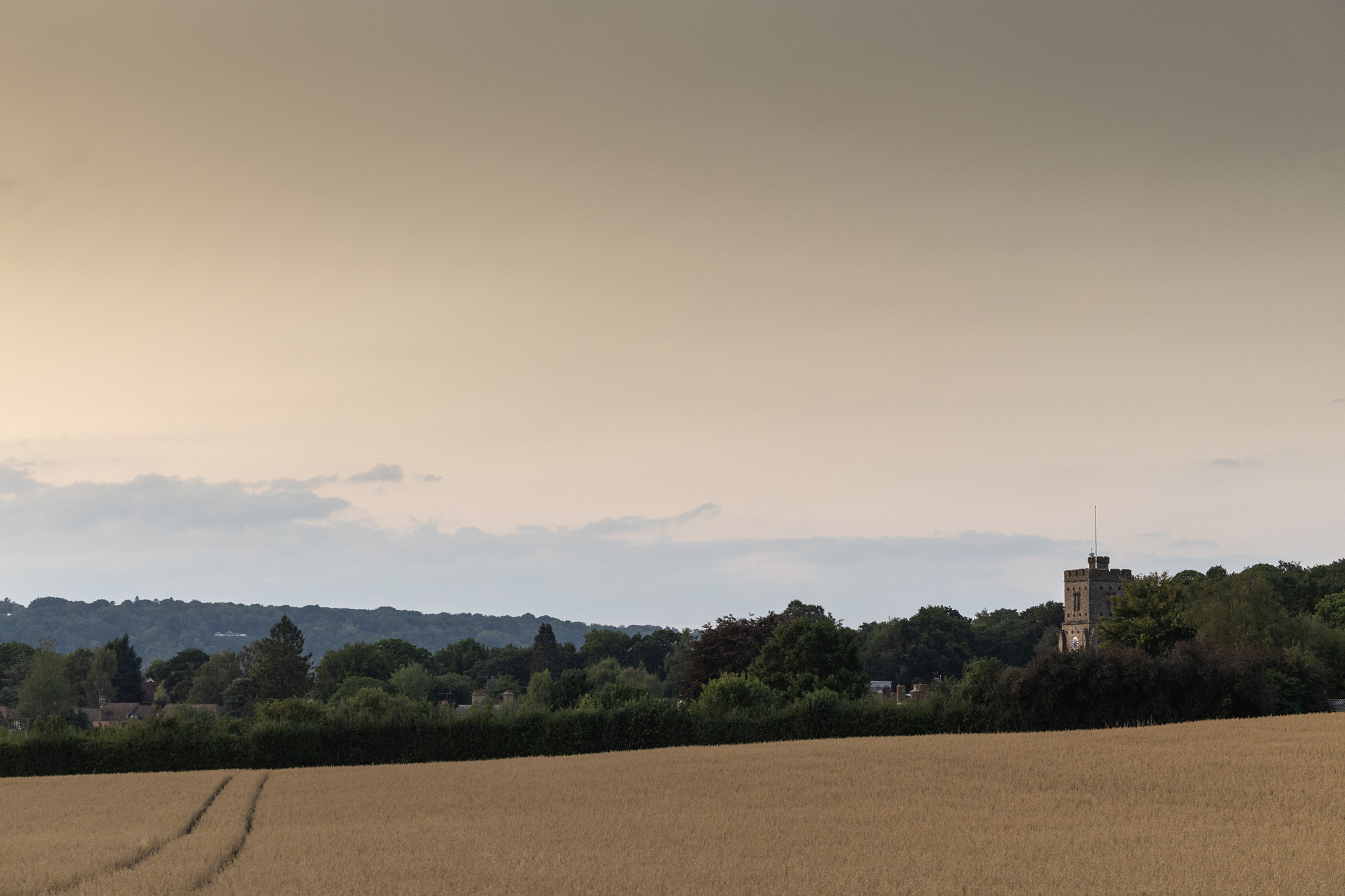
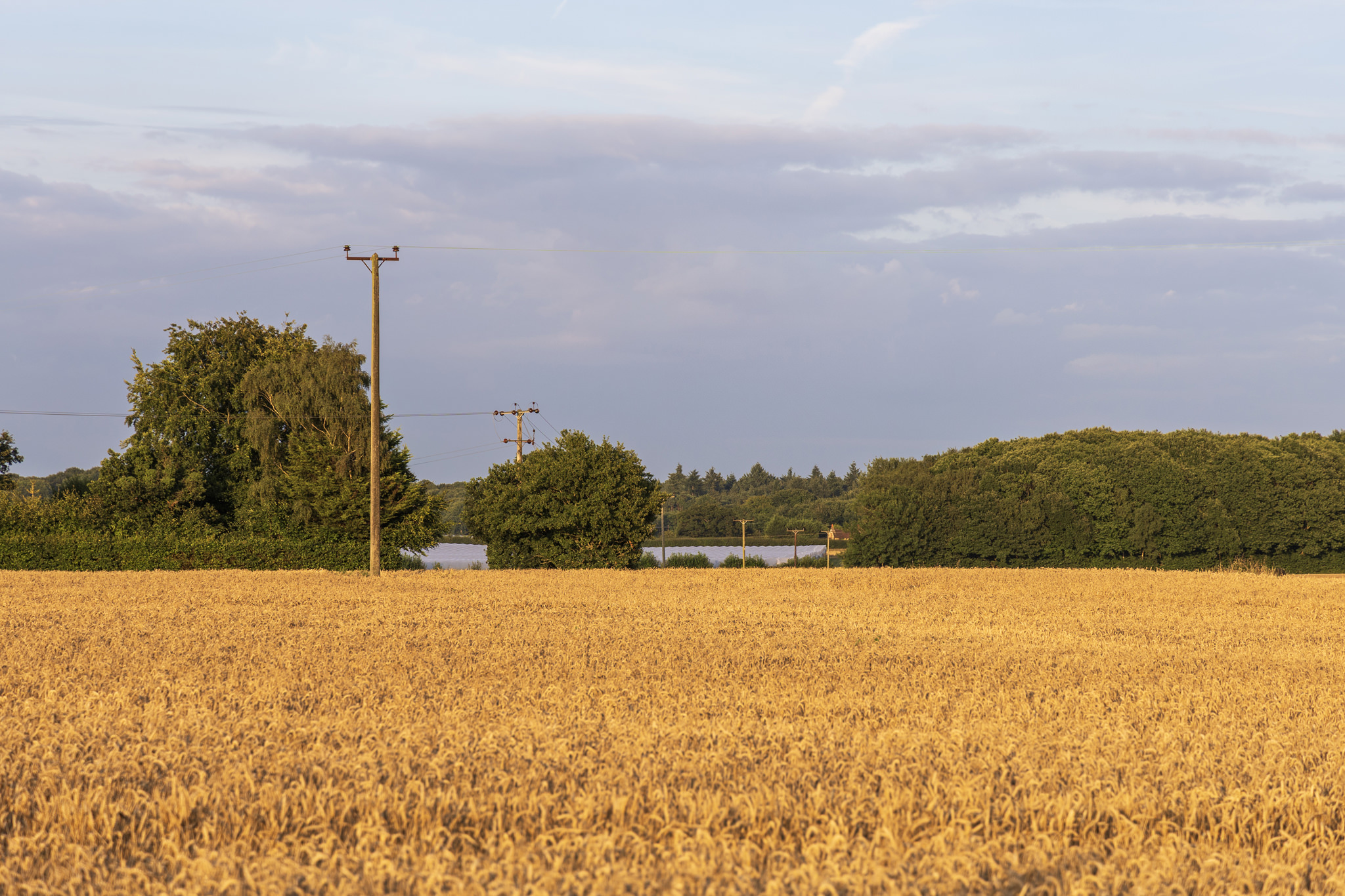
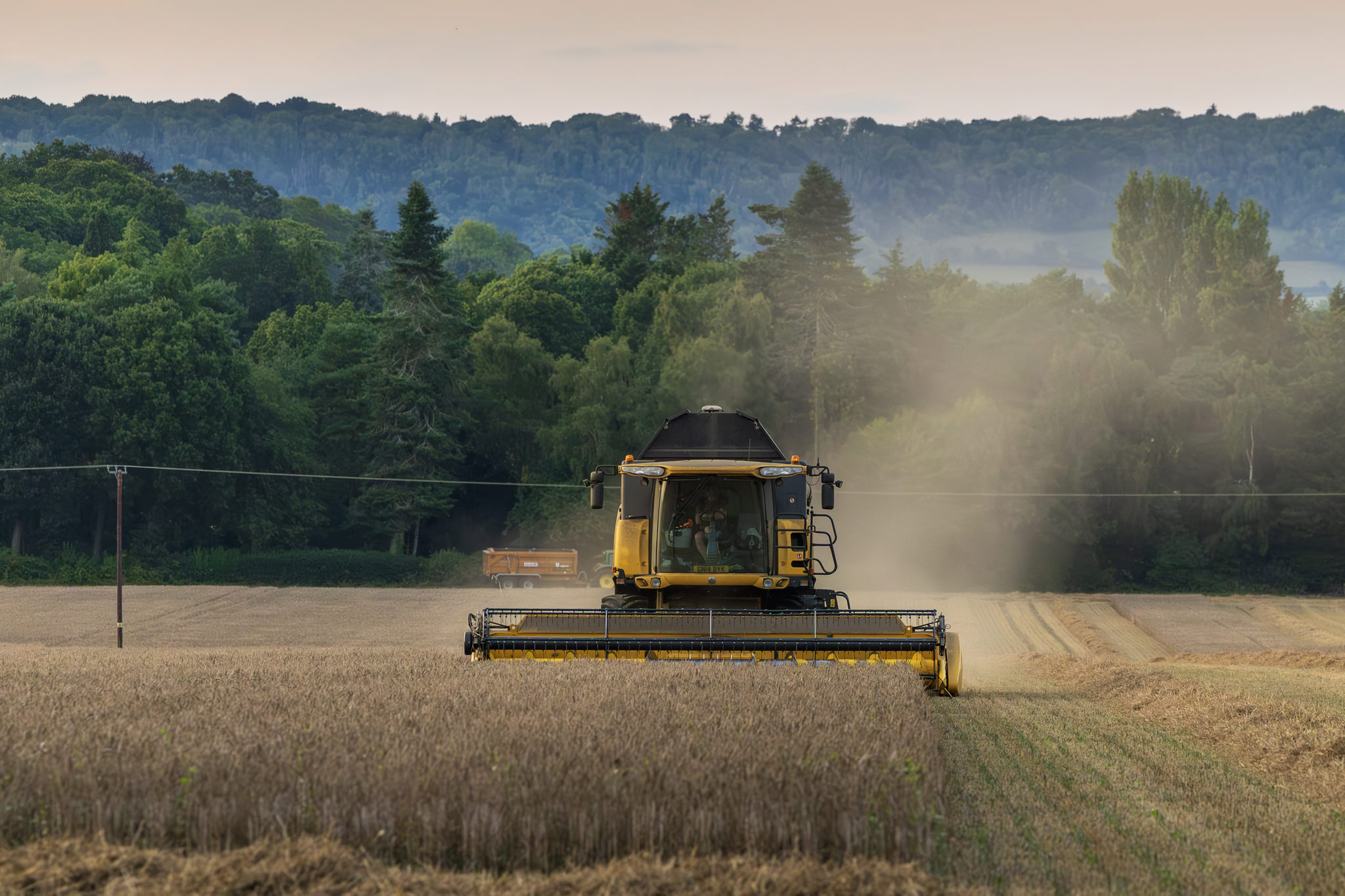
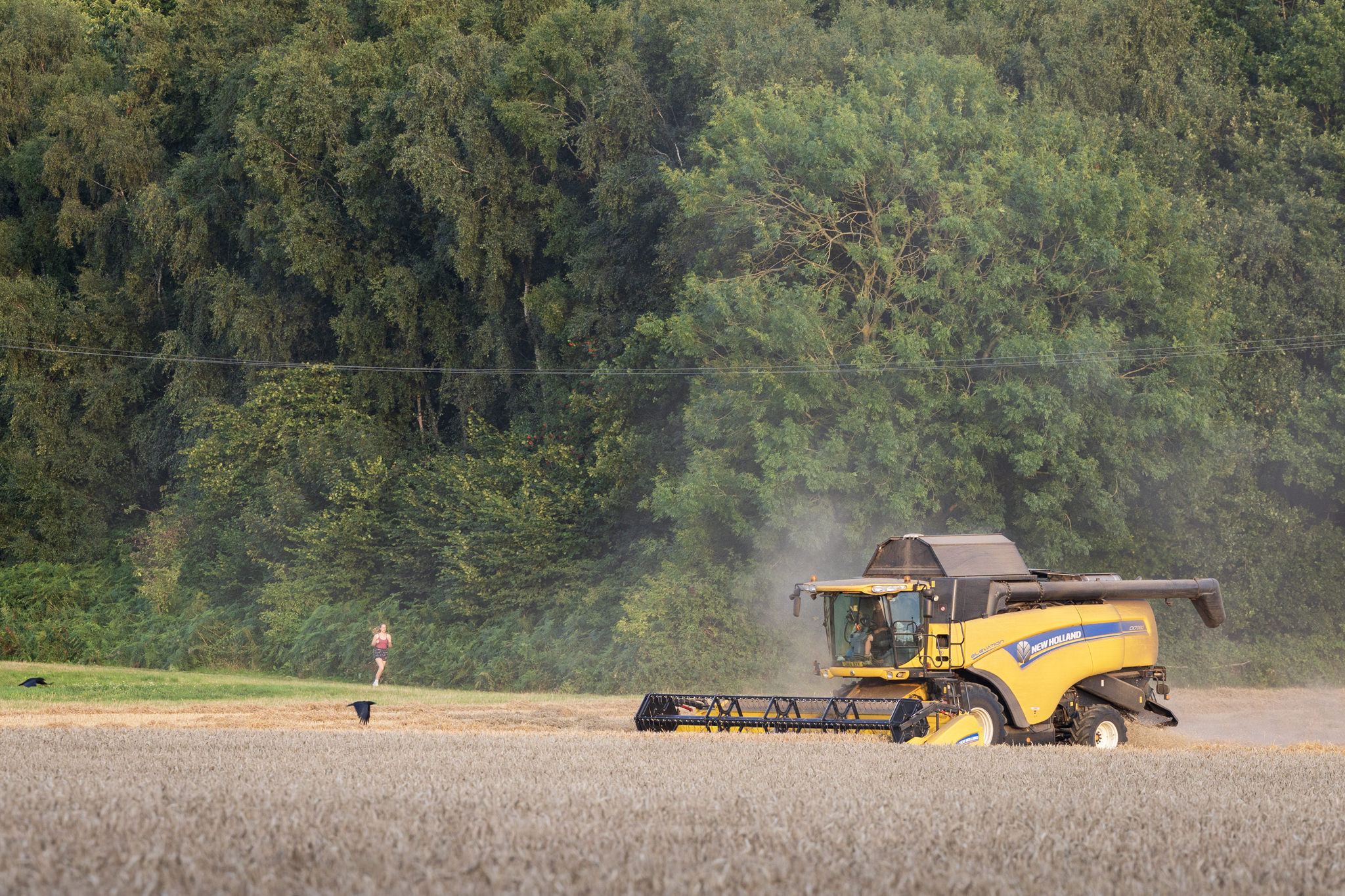
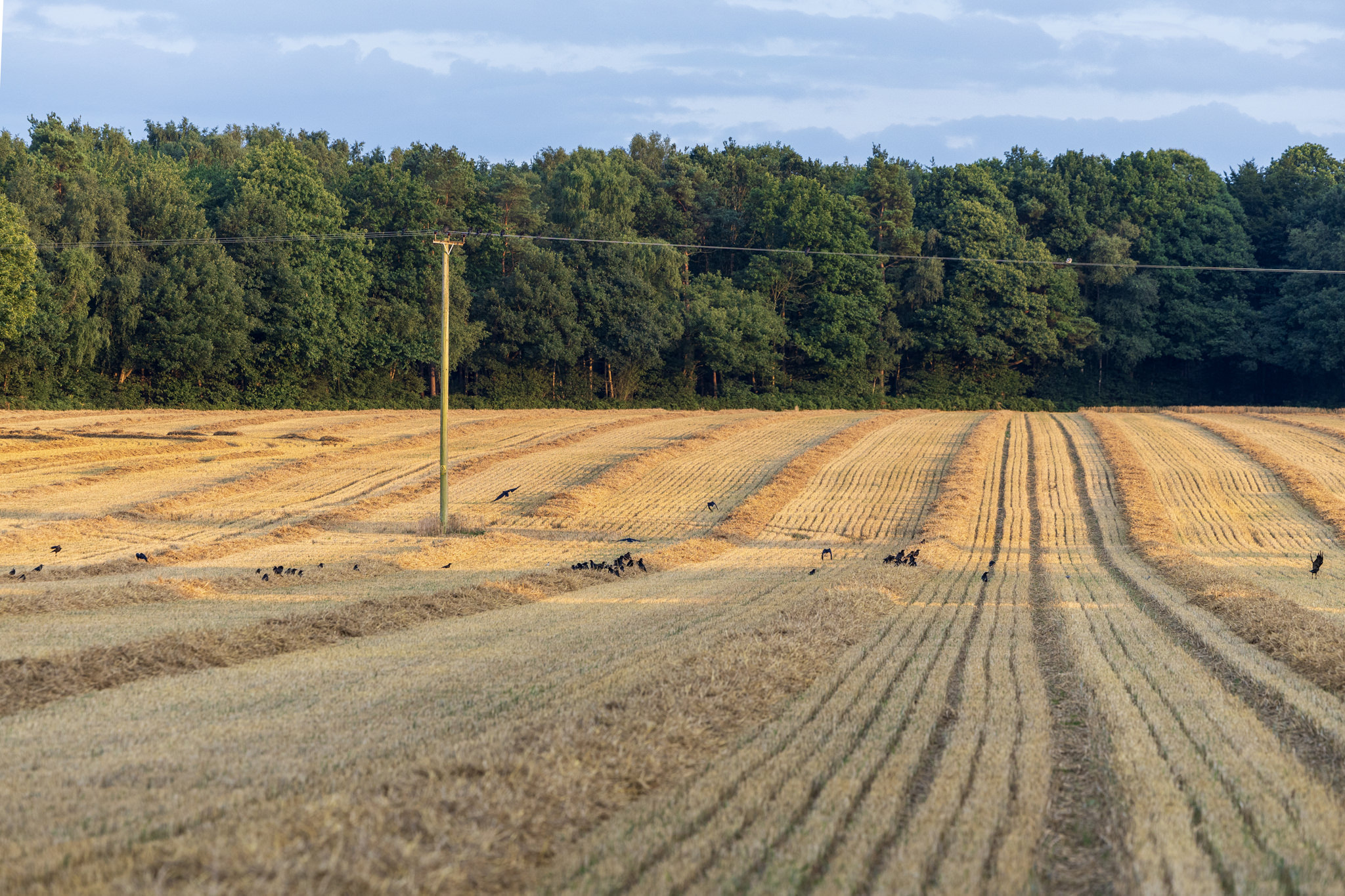
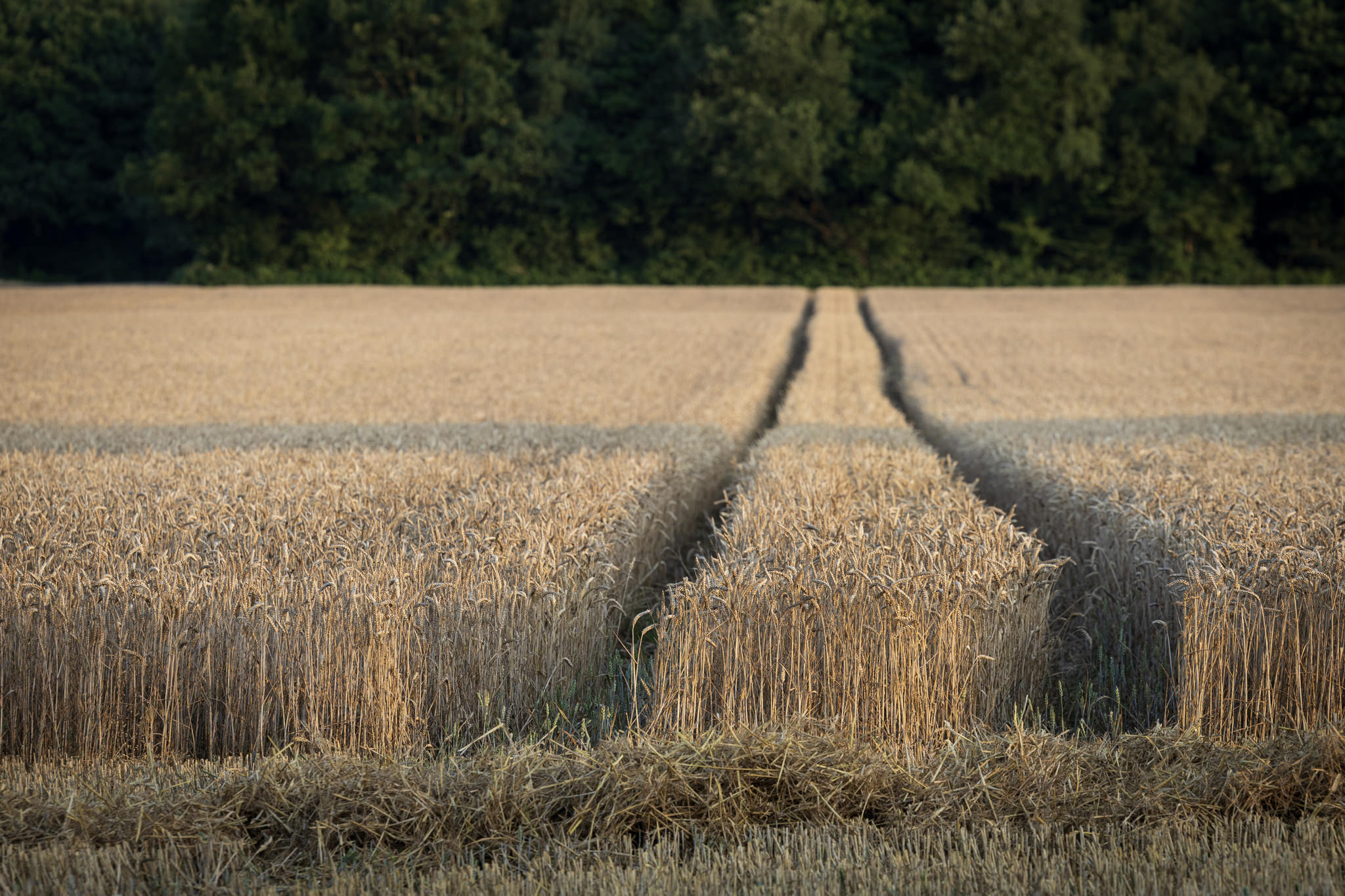
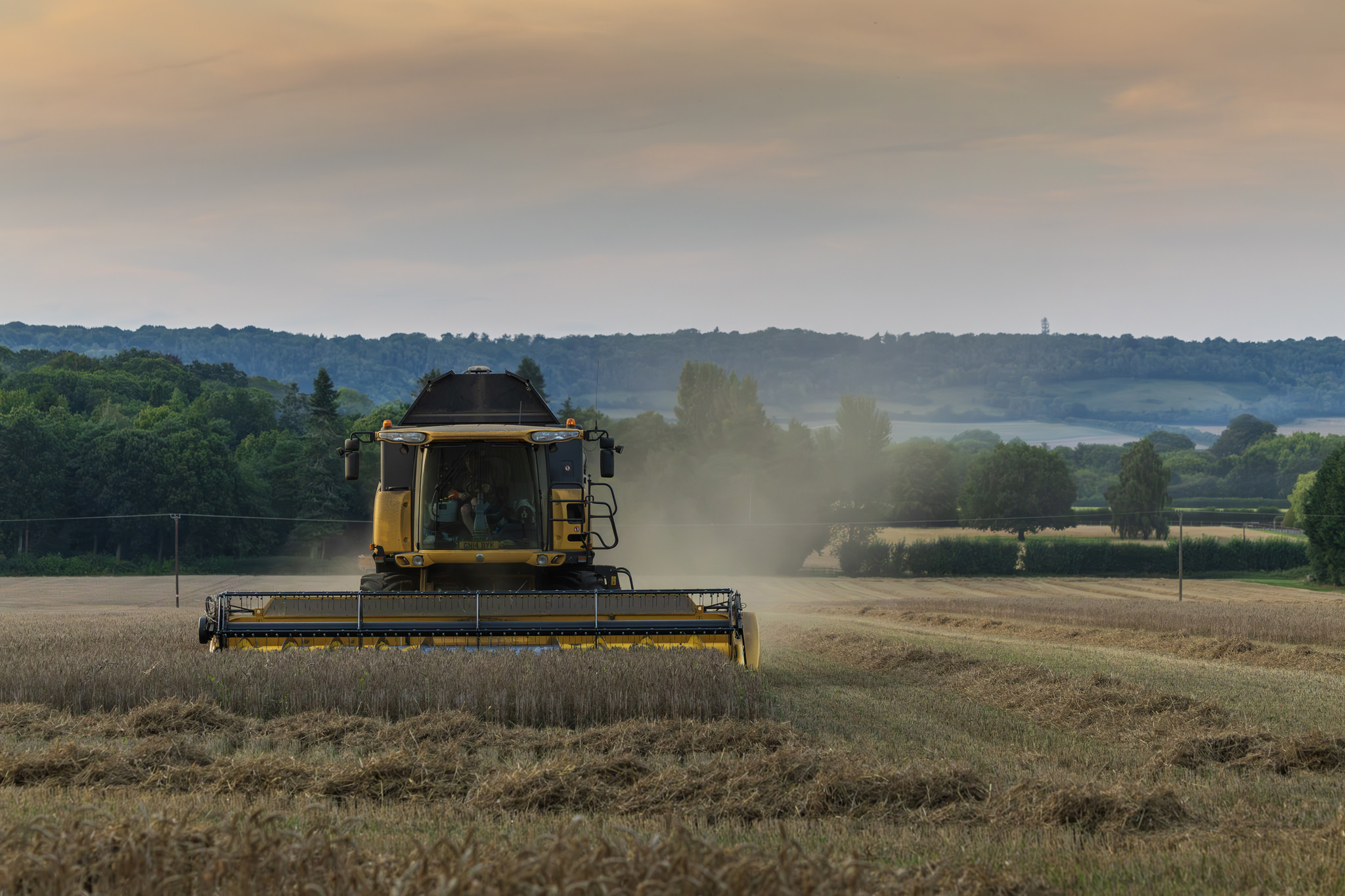
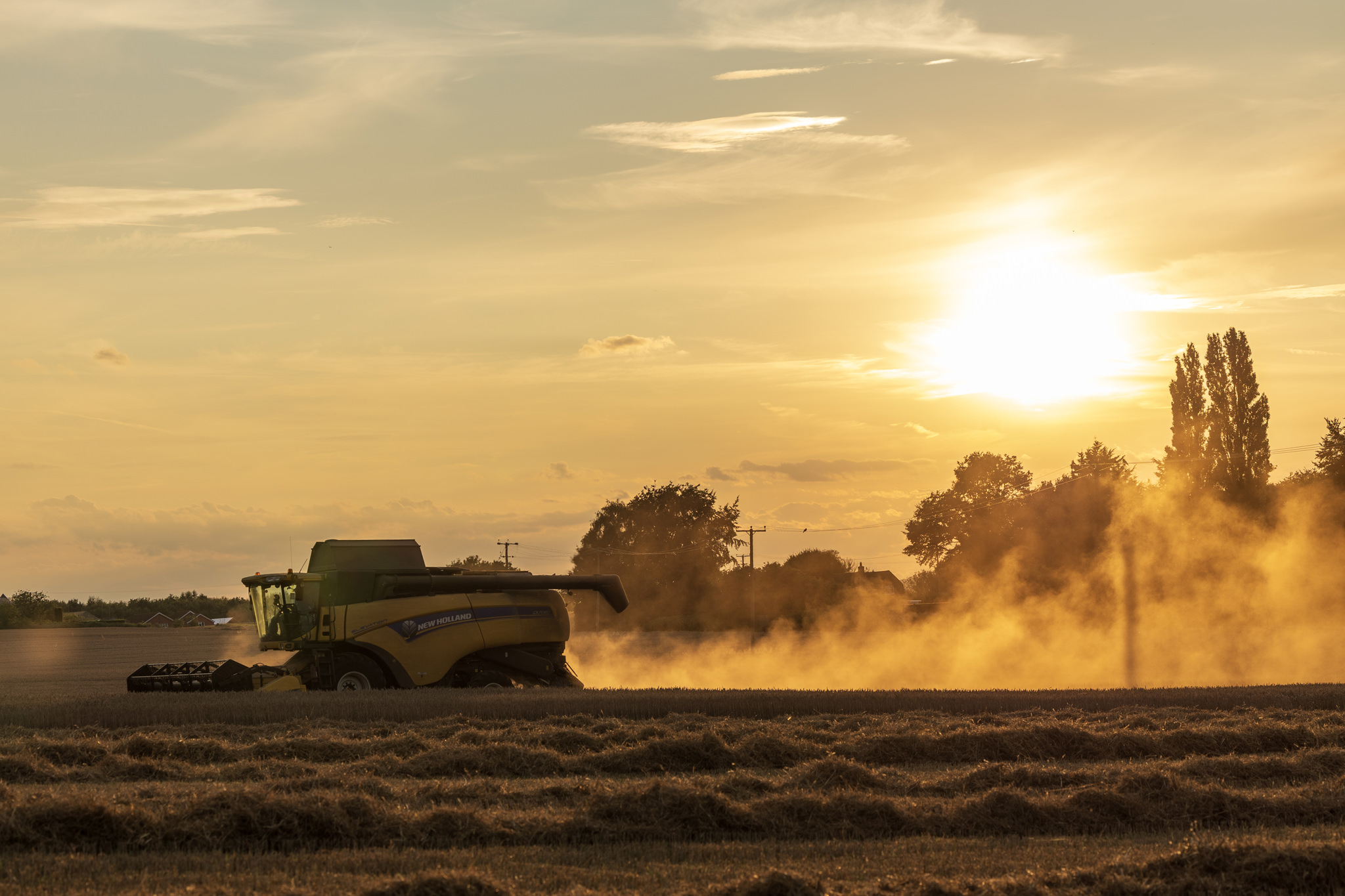
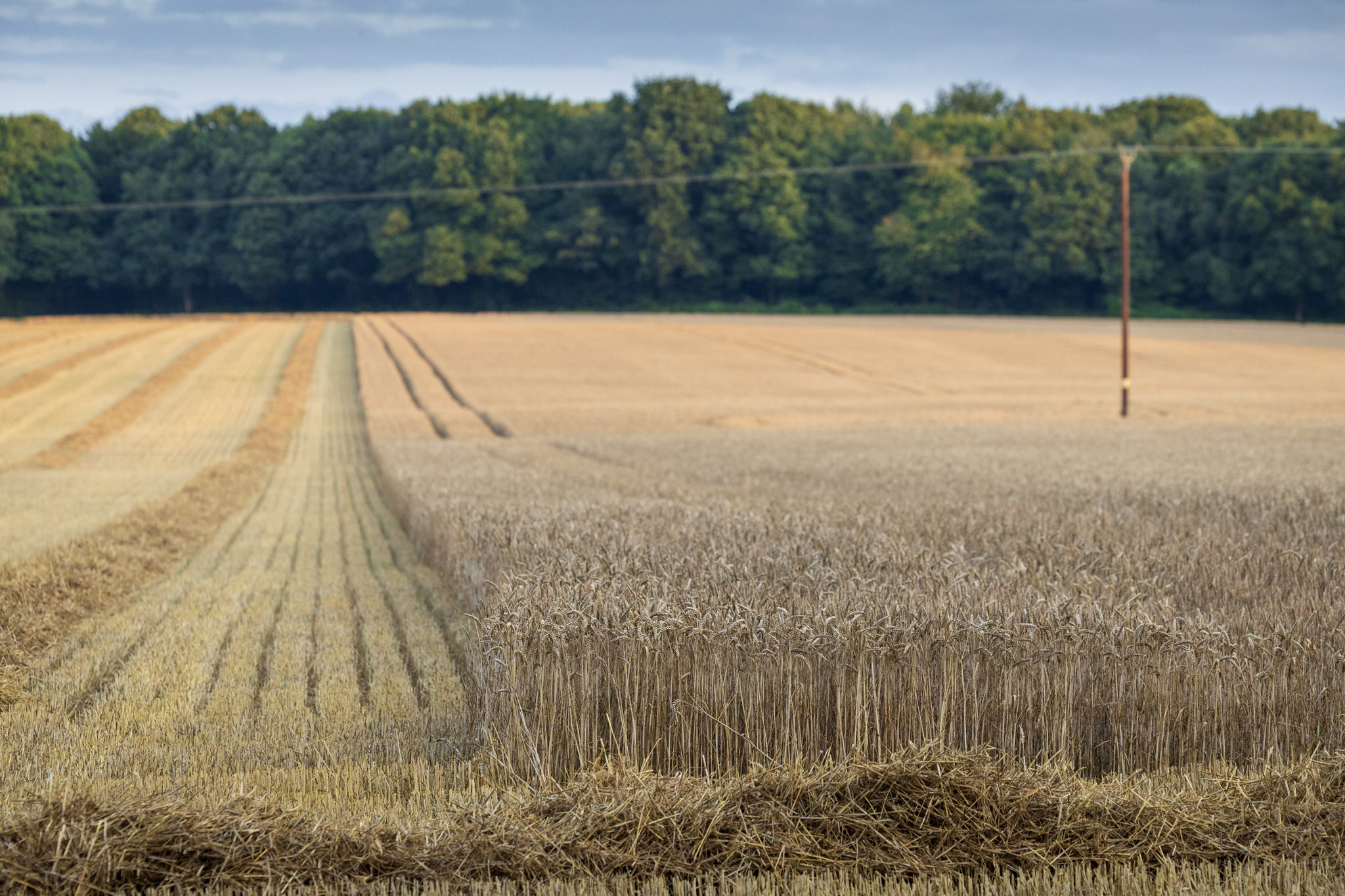
Every year, around late July, the arrival of the Pierce family’s combine harvester in the landscape always fires me into action, particularly during warm summer evenings, of which we have had many this year. There is something magical about this giant yellow metal beast that rumbles across the fields, grinding, churning and throwing out a thick haze of dust as it makes its way through a golden sea of crops.
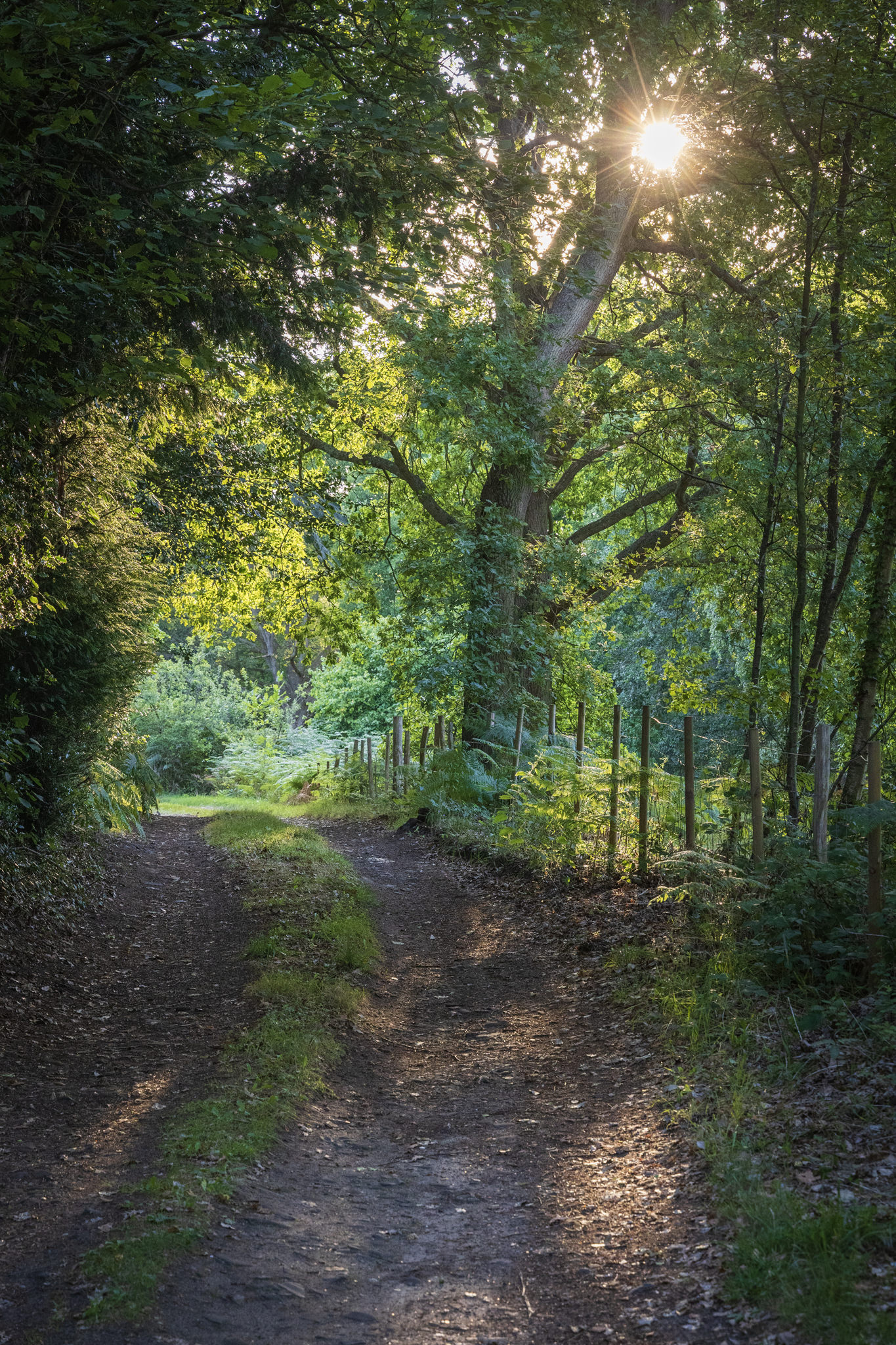
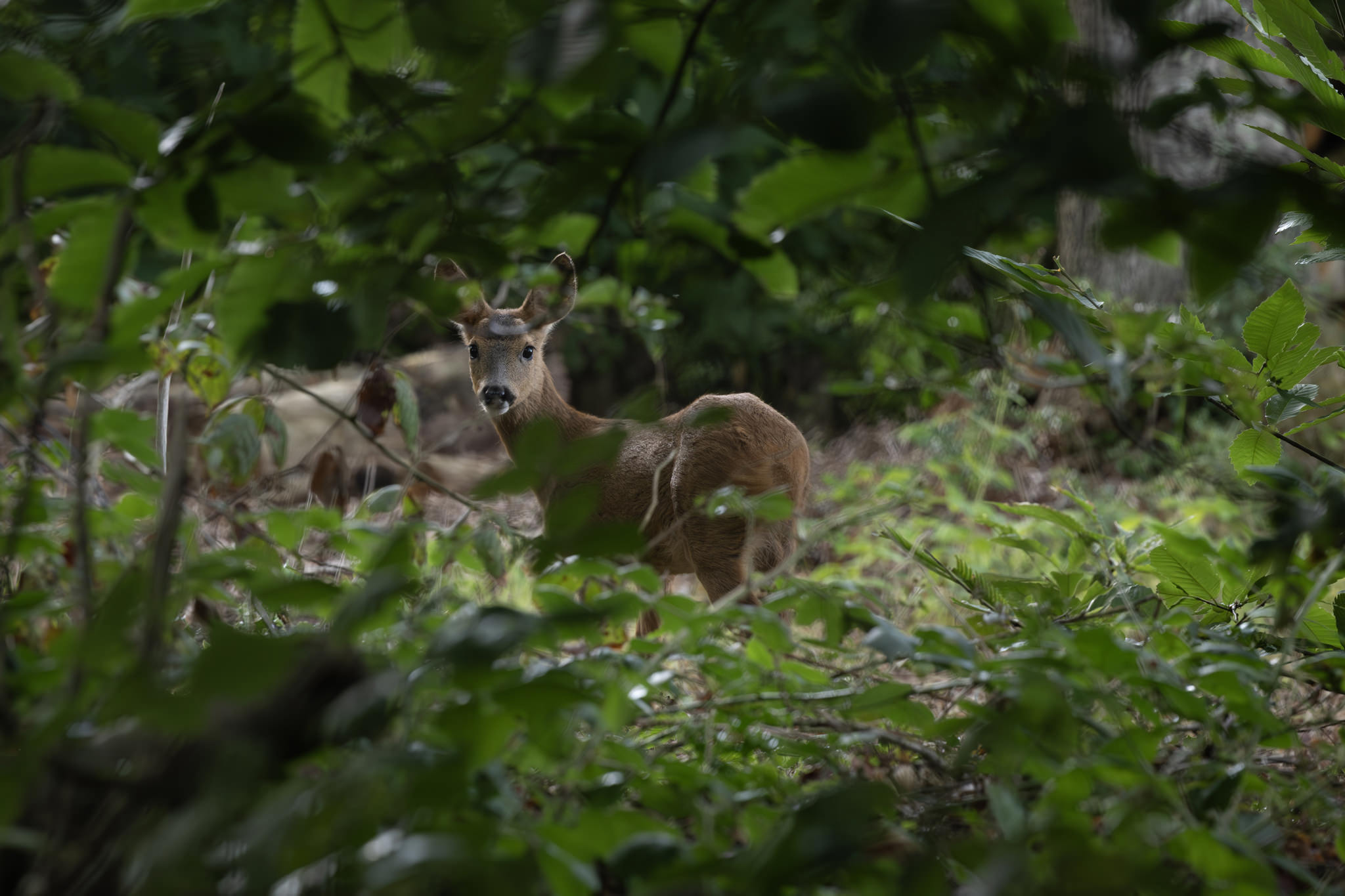
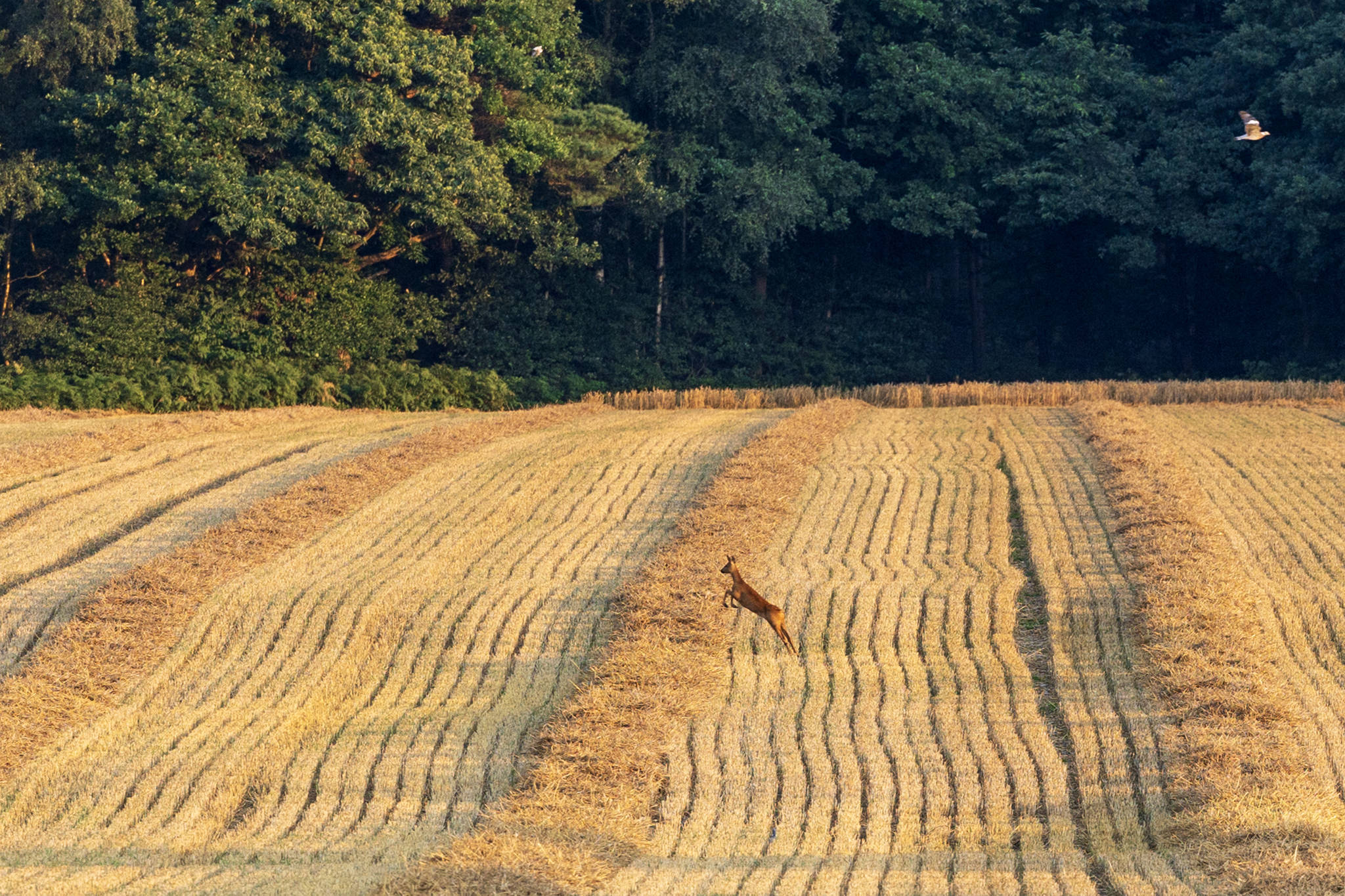
I cannot ever recall seeing so many deer, Roe and Fallow, around the parish as I have this year. They are now so numerous that I encounter them on every walk, darting into the undergrowth, leaping across the fields or sheltering from the sun under trees. Although beautiful to watch and, when lucky, photograph, I am told they have been less welcome visitors to local gardens.
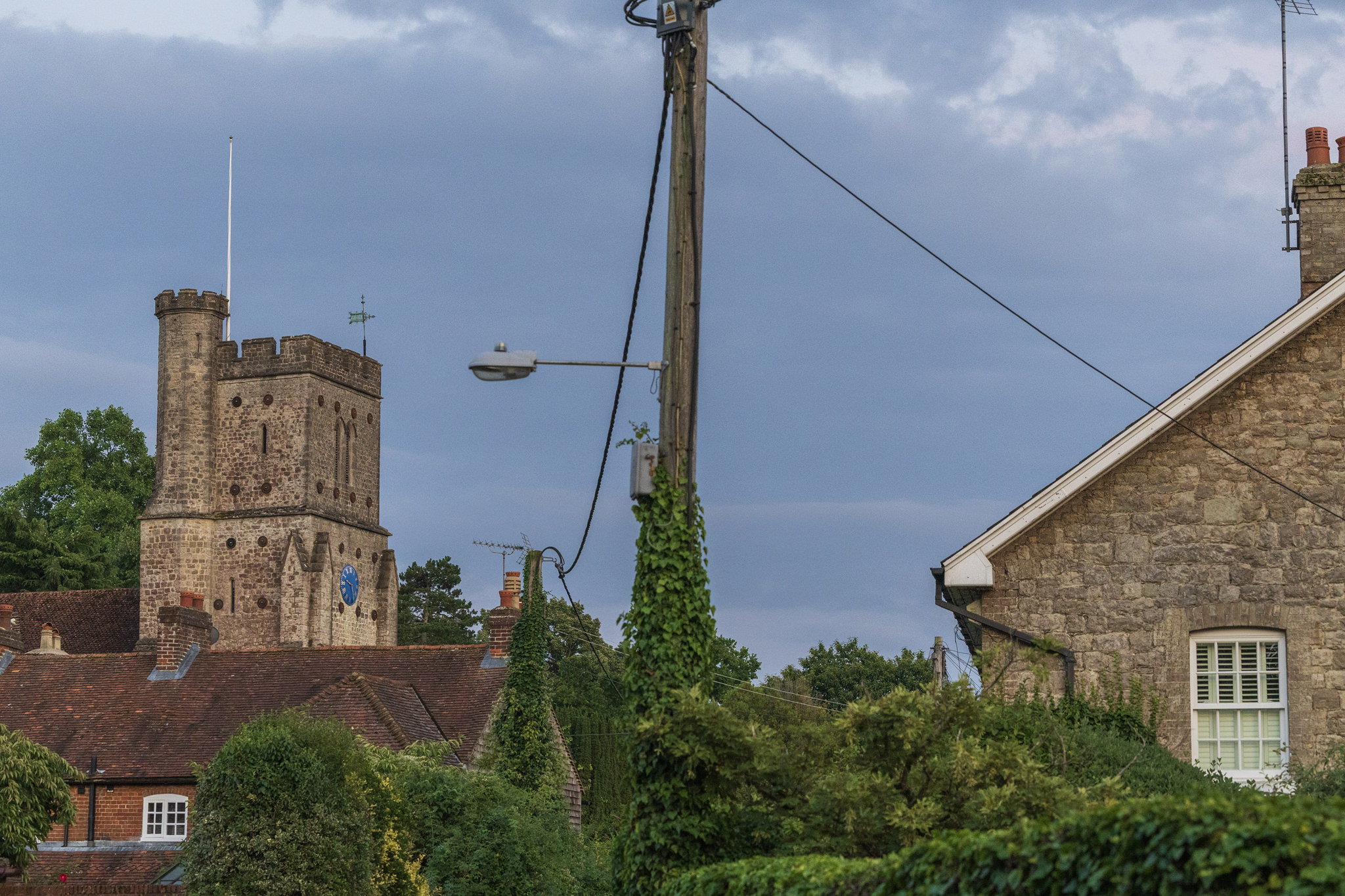
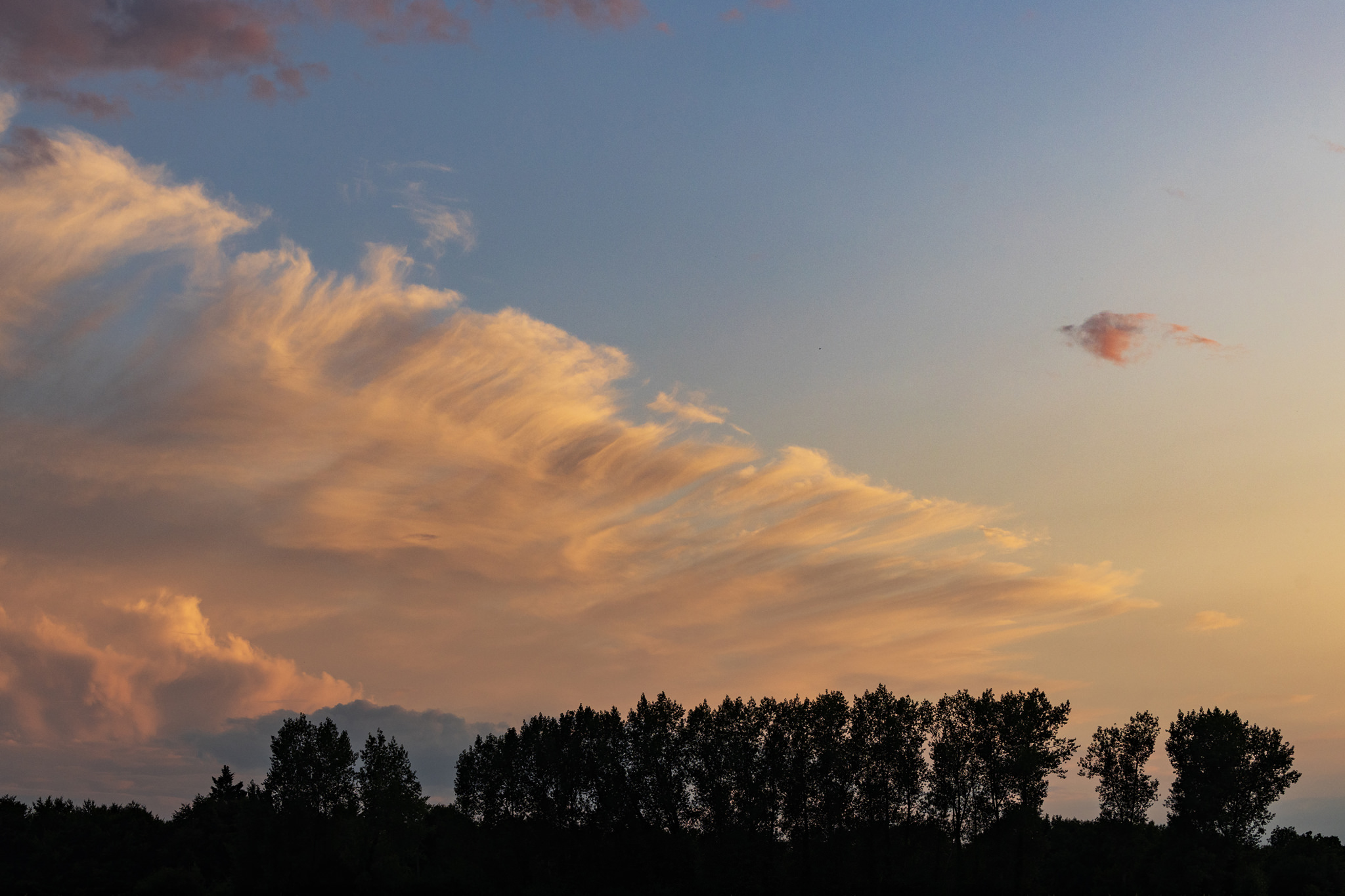
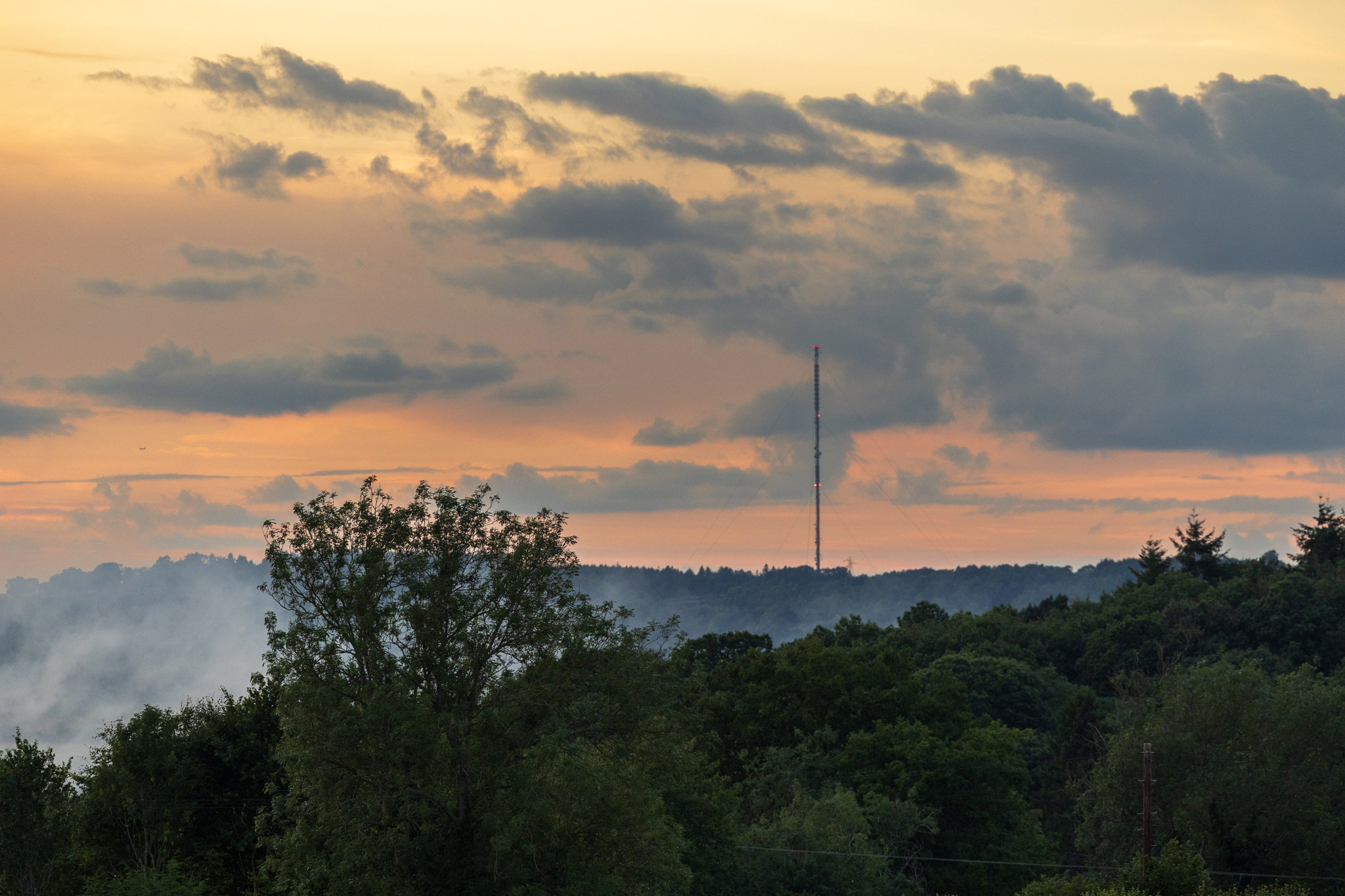
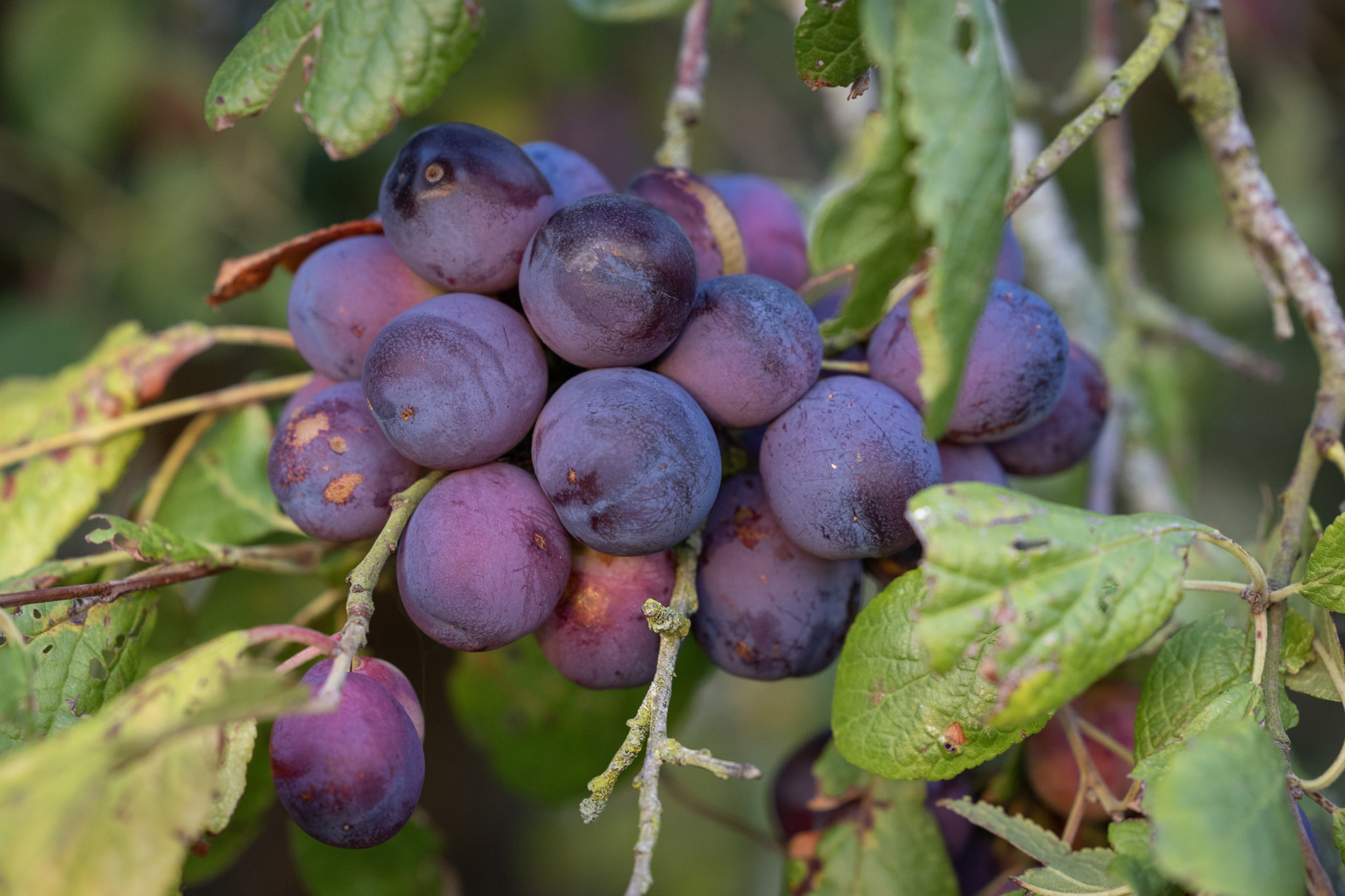
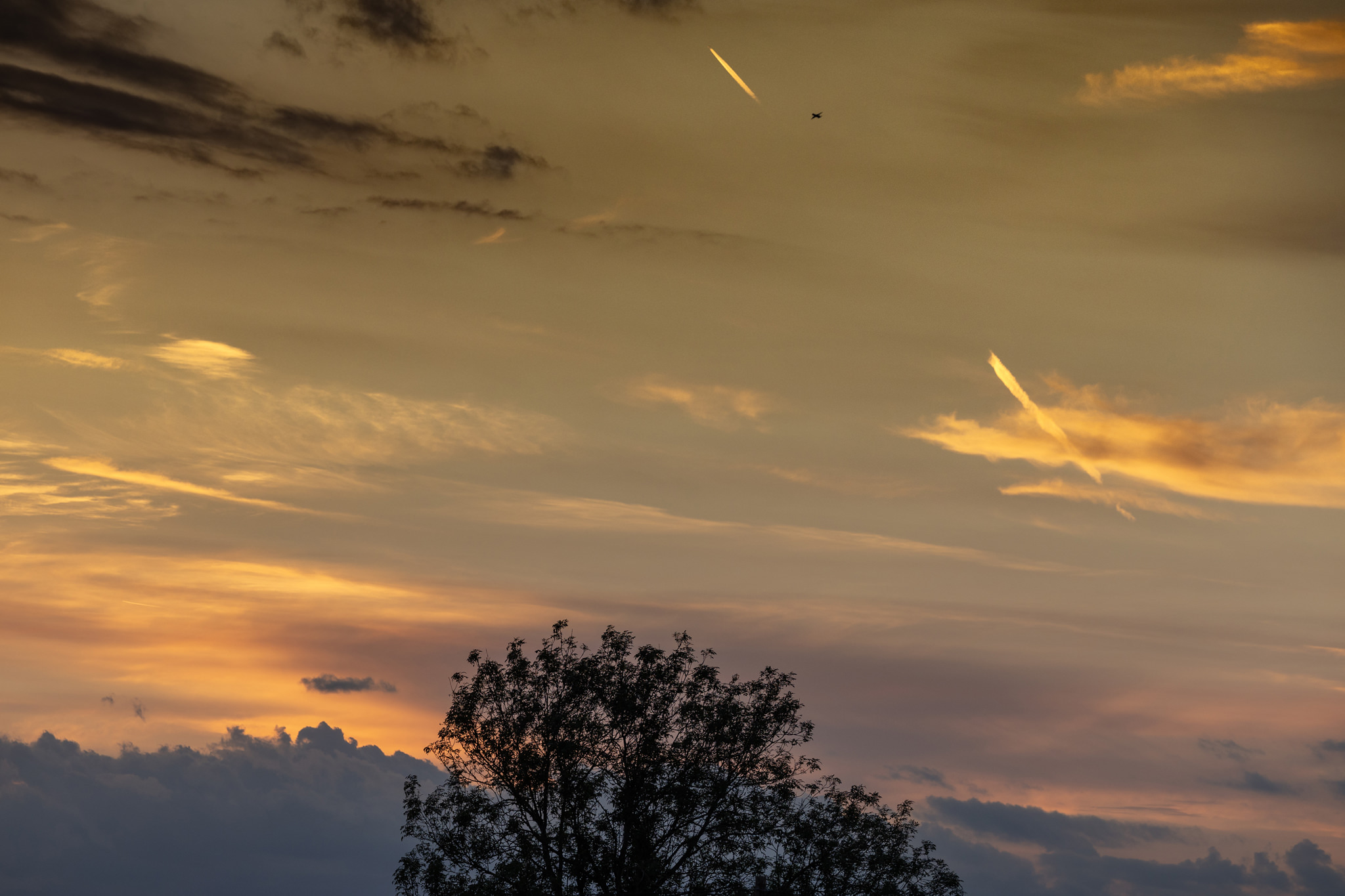
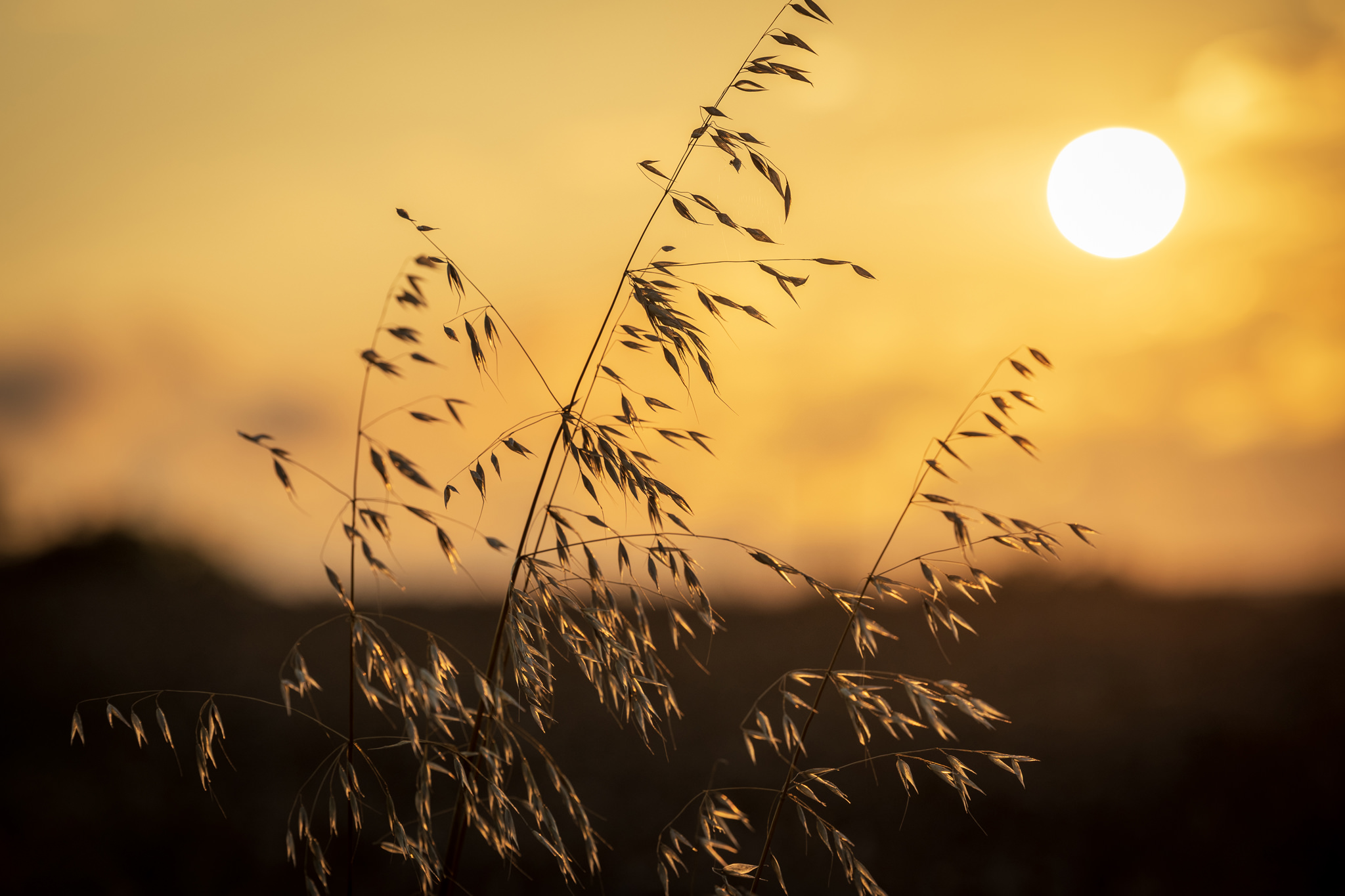
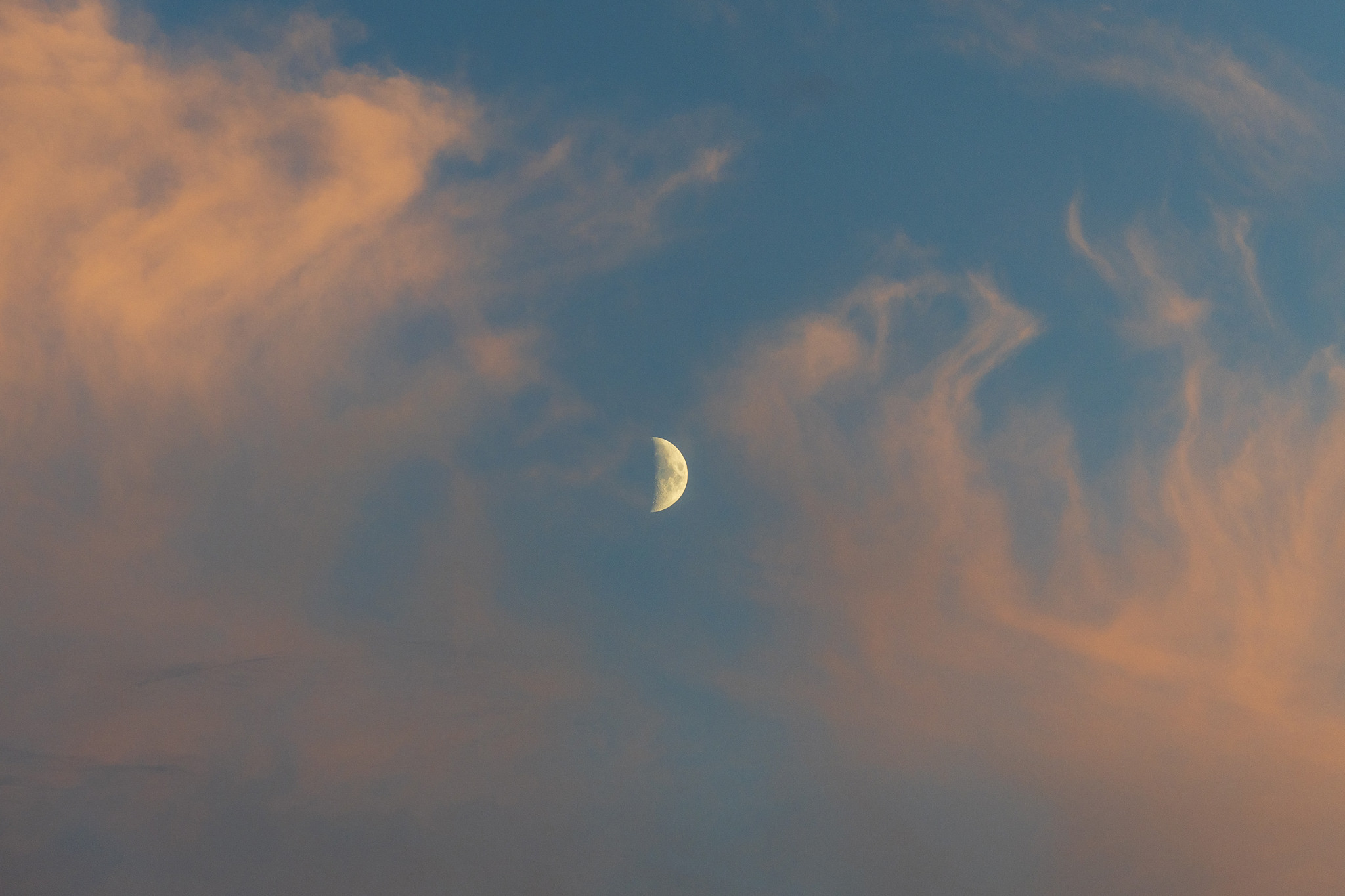
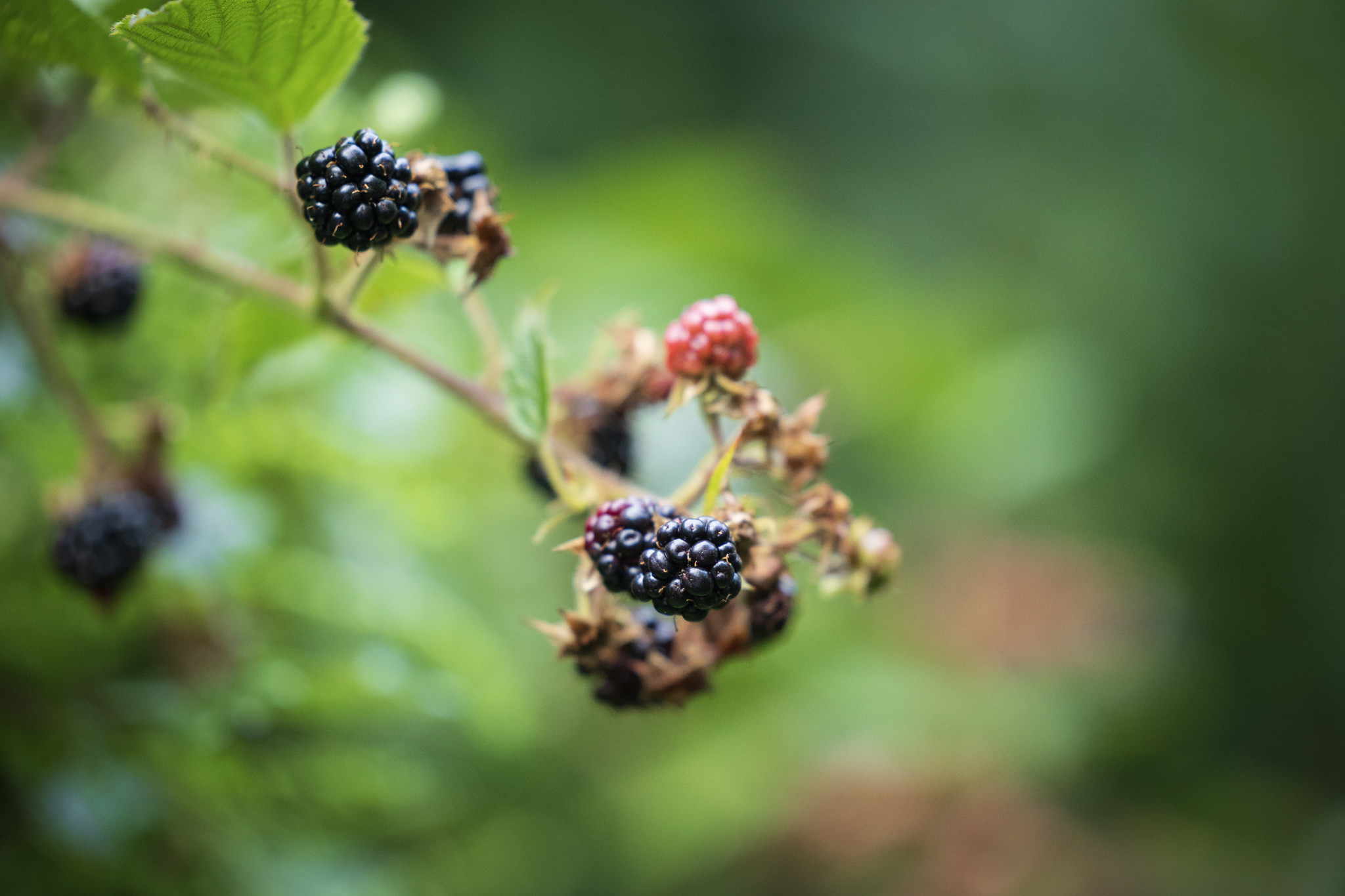
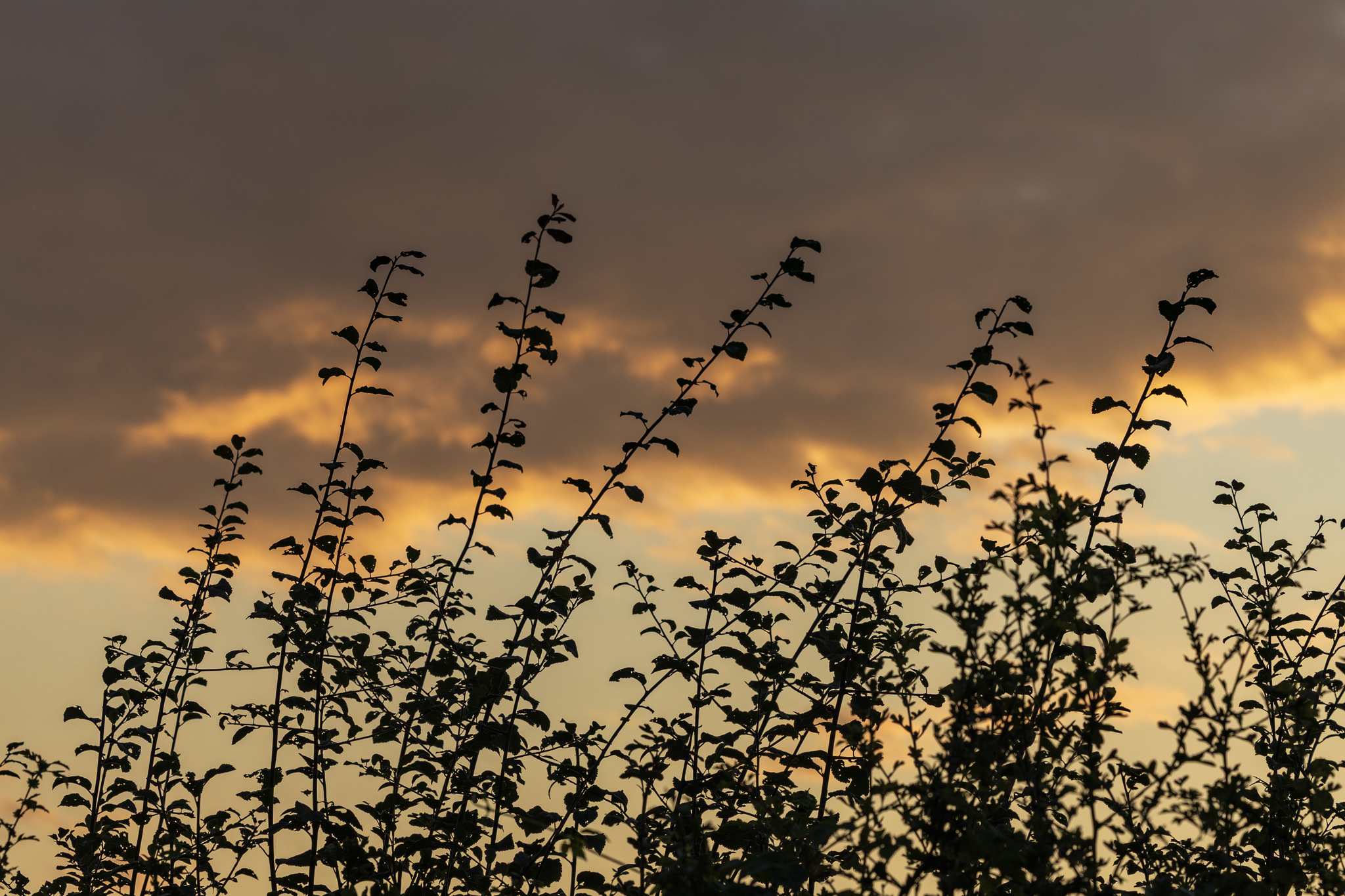
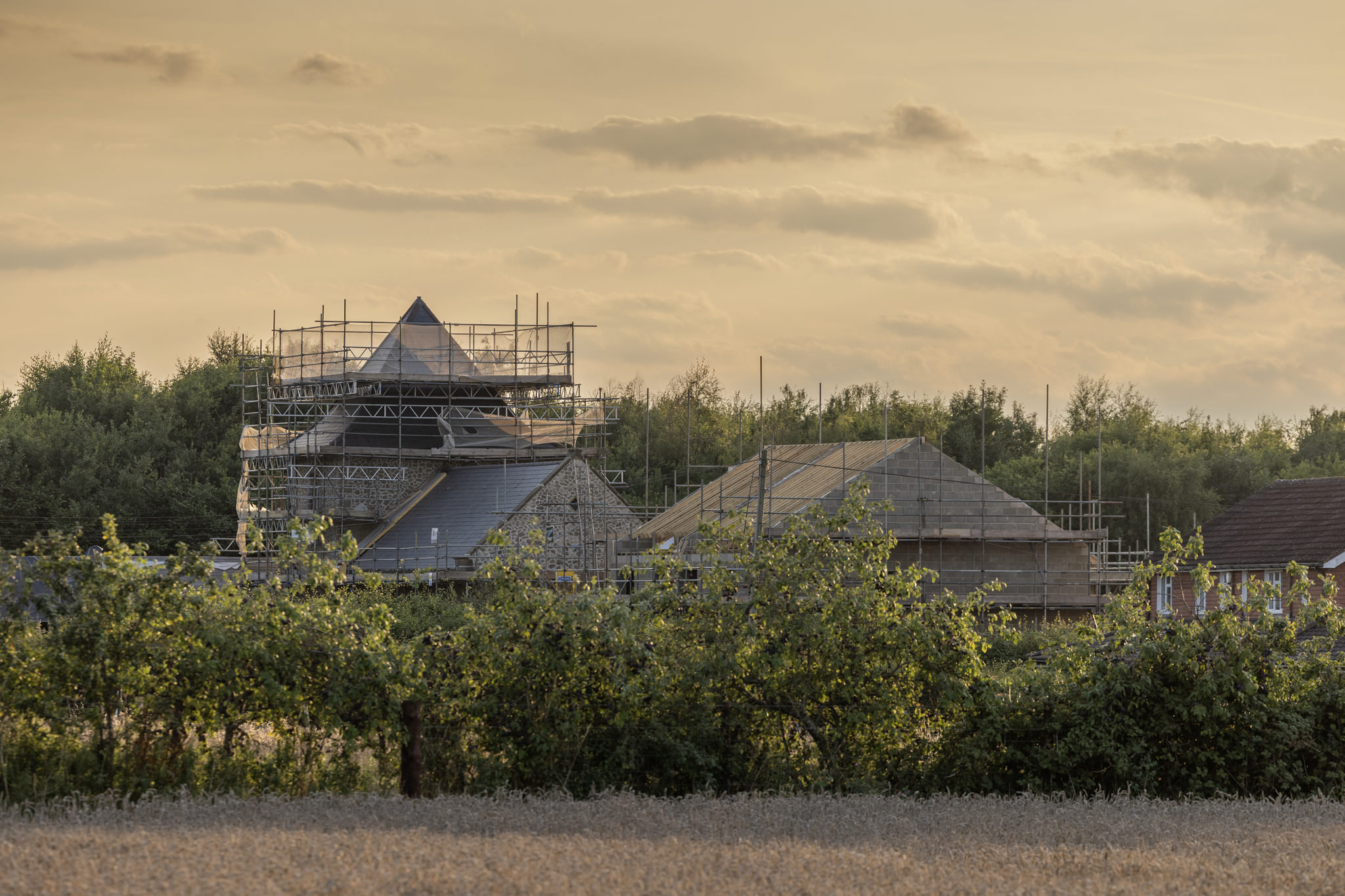
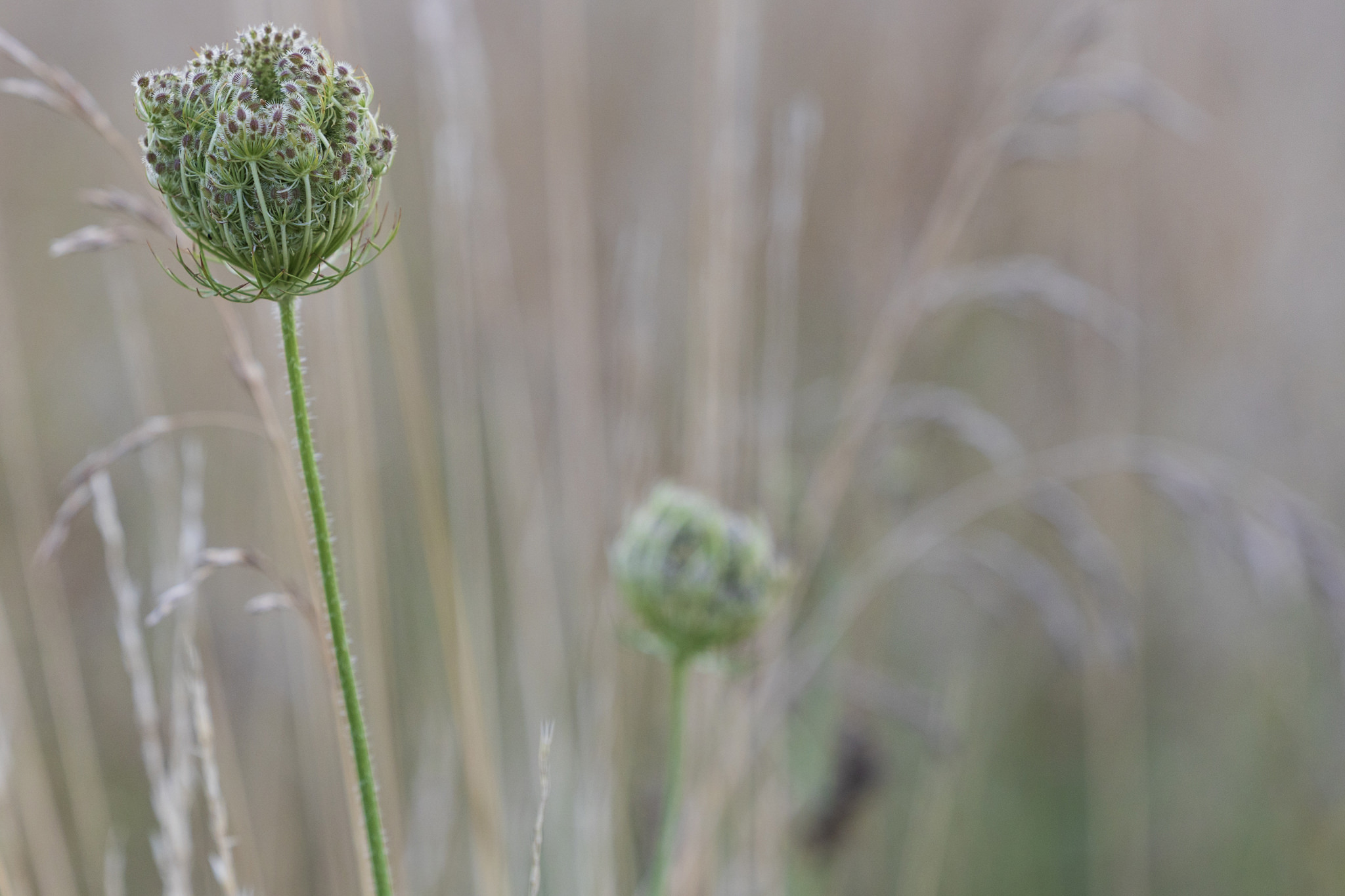
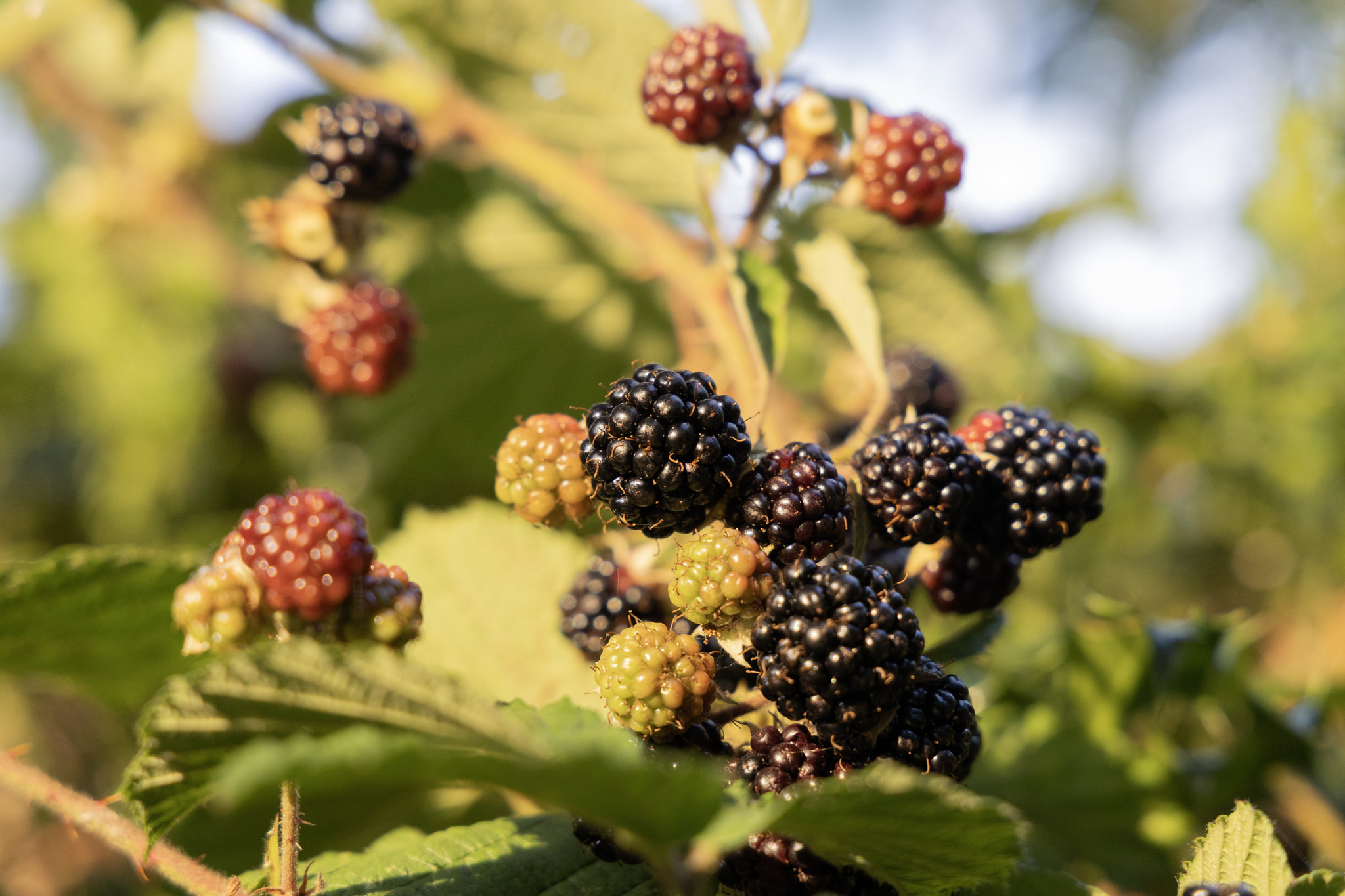
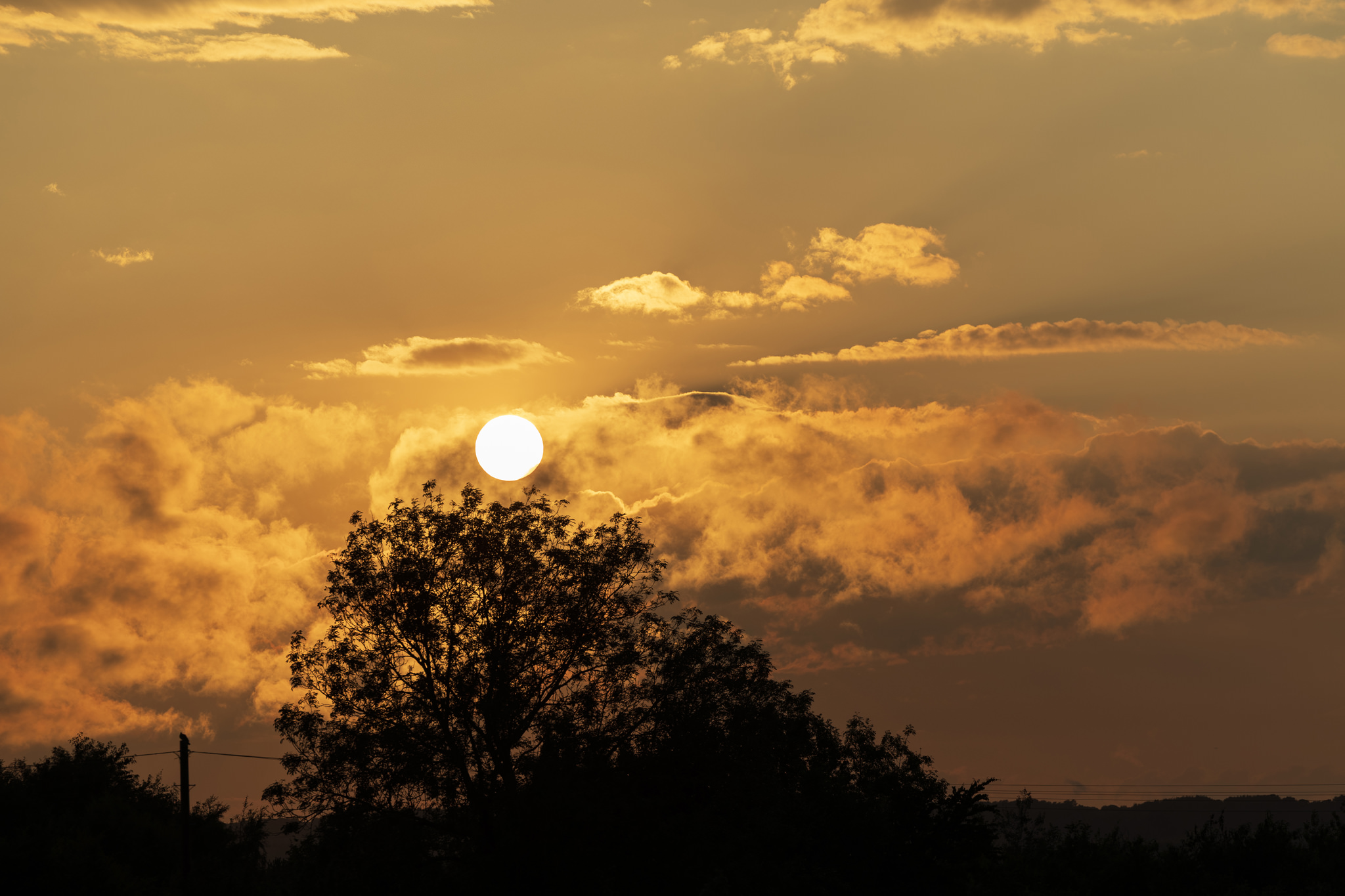
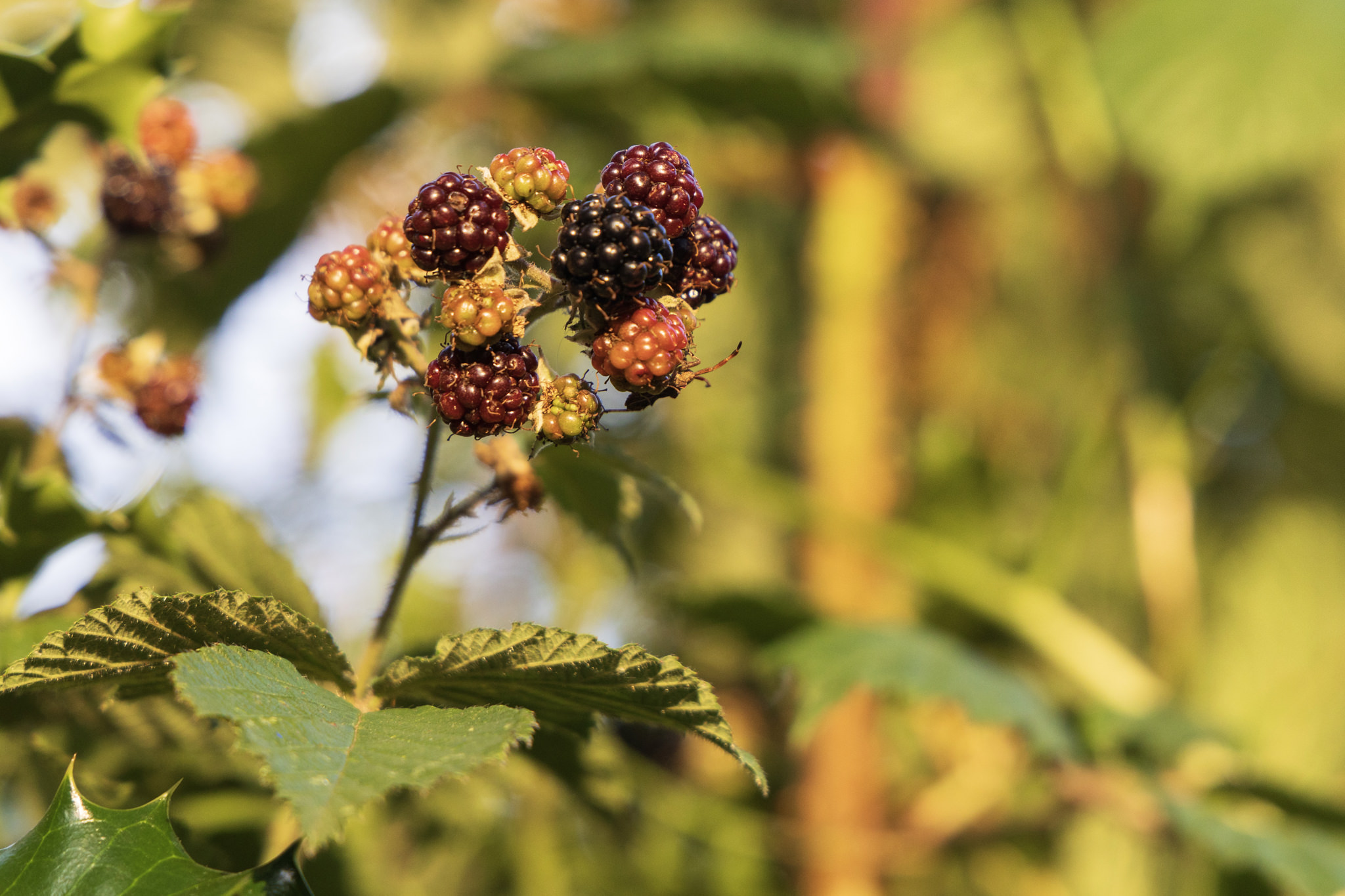
Combine harvesting, blackberries, plums, deer, dramatic evening skies, this is Platt at the end of July 2025.